Boboli Gardens History - Medici Origins and Evolution
A clear timeline of Boboli Gardens: Medici ambition, theatrical design, dynastic symbols, and modern conservation.
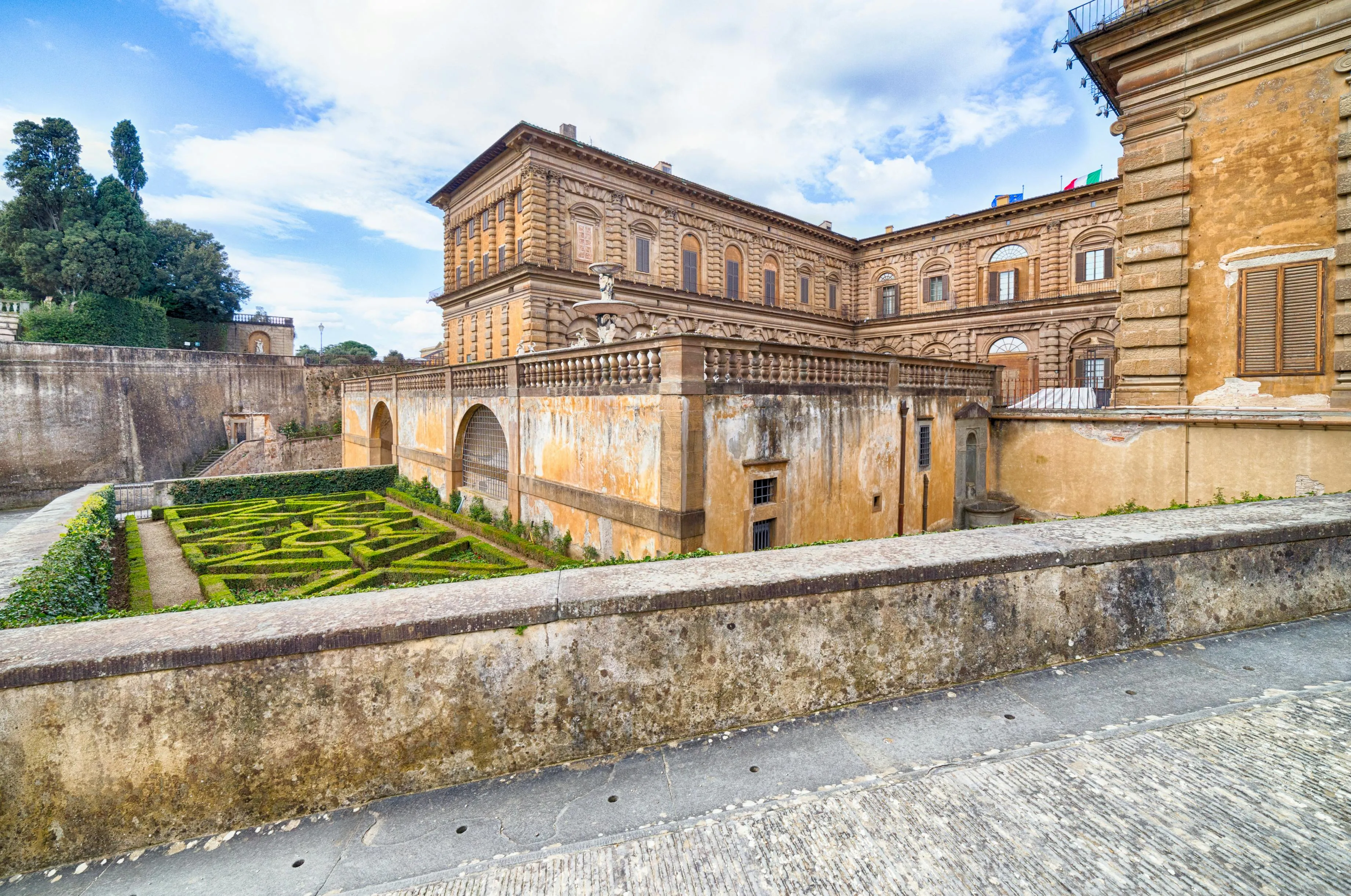
Boboli Gardens History: Medici Ambition in Landscape Form
Boboli was conceived as a visual statement of order and authority. The Medici transformed the hillside behind Palazzo Pitti into a cultural machine where art, politics, and ceremony met.
Core timeline
| Period | What changed |
|---|---|
| 16th century | Early layout, amphitheater nucleus, dynastic symbolism |
| 17th century | Expansion of axes, water features, sculptural program |
| 18th century | Lorena era refinements and broader access |
| 19th-20th century | Museum logic, restoration campaigns |
Why Boboli mattered politically
- It framed Palazzo Pitti as more than a residence.
- It staged controlled views: visitors moved through programmed perspectives.
- It broadcasted ideals of permanence through stone, geometry, and mythological figures.
In Boboli, even a path is a message: who is centered, what is revealed, and when the skyline appears.
Symbols you can still read today
- Amphitheater geometry = public ceremony.
- Long axes = control over nature and movement.
- Mythological sculpture = dynastic narrative.
- Water engineering = technical authority.
Field notes for history lovers
- Compare older stone textures near core routes versus later additions.
- Observe how statues align with clearings and turns.
- Track where views "open" suddenly: these moments were planned.
Mini glossary
axis: a dominant directional line organizing space
parterre: ornamental garden layout with geometric planting
grotto: artificial cave-like space with sculptural decoration
Research tip
Pair this walk with a short Palazzo Pitti visit to compare indoor court image-making with outdoor stagecraft.
Bottom line
Boboli is a historic text written in stone, slope, and perspective. Read it slowly and the Medici script becomes visible.
À propos de l’auteur

Florence Gardens Editorial Team
Ce guide a ete redige pour aider les visiteurs a vivre Boboli avec assurance pratique et conscience historique, bien au-dela des resumes rapides des reseaux sociaux. L'objectif est simple : rendre votre visite plus fluide, plus riche et plus memorable.
Tags
Comments (0)
Loading comments...