
Step into Florence through the gardens of the Medici
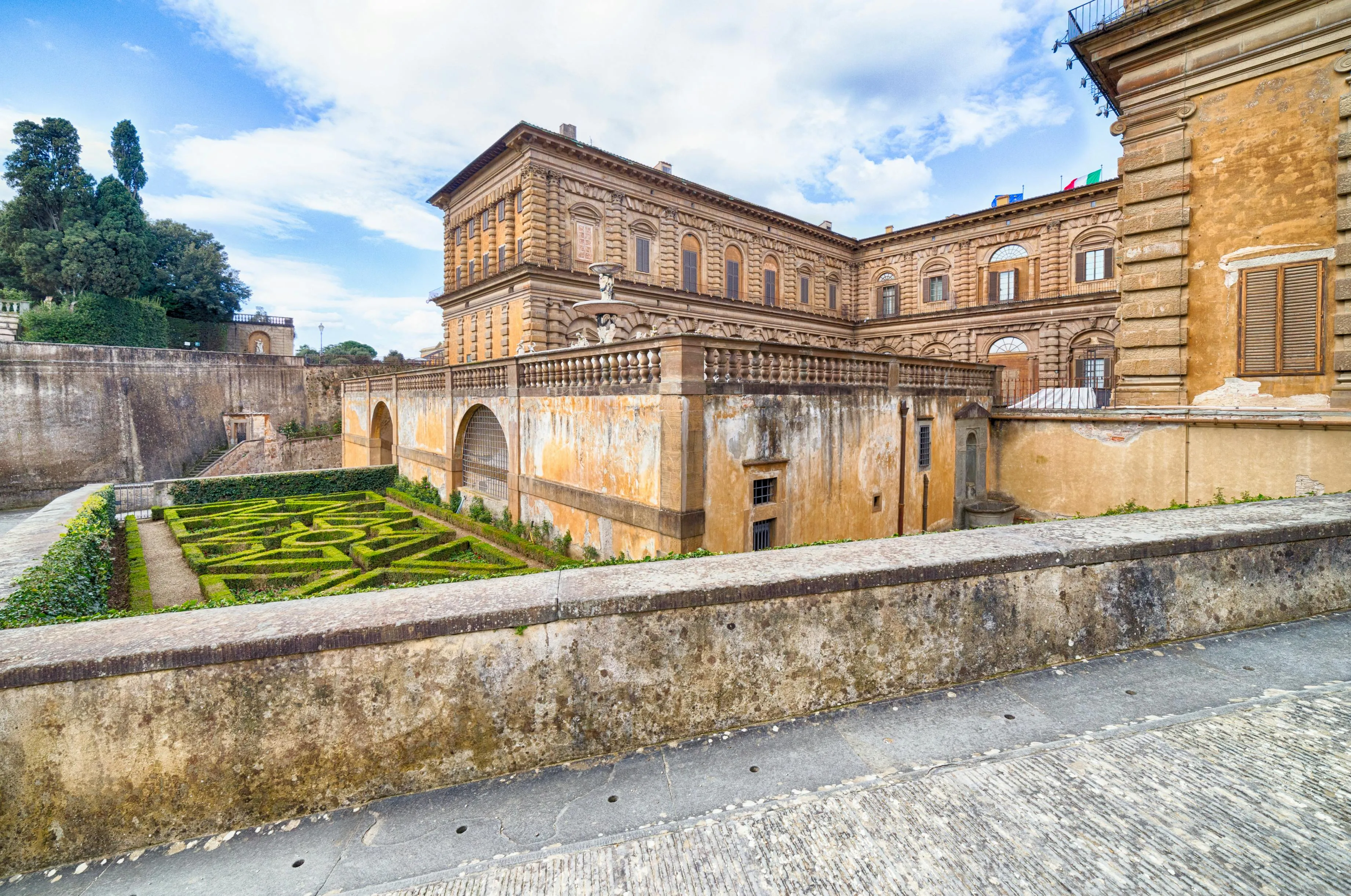
Giardini di Boboli is much more than a city park: it is an outdoor museum where Renaissance design, Baroque scenography, and centuries of court life are still visible in every axis, staircase, and fountain.
Walking through Boboli means moving between statues, grottoes, and geometric terraces that once framed Medici ceremonies and quiet private strolls, all while Florence unfolds behind the trees..
Boboli Gardens (Giardini di Boboli) Visiting timetable
Boboli Gardens generally opens in the morning and closes in the late afternoon, with seasonal closing times that vary across the year. Last admission is usually earlier than closing time, so arriving with margin is strongly recommended.
Boboli Gardens (Giardini di Boboli) Closing Days
The gardens are open most of the year, but may close on specific holidays or for exceptional maintenance, weather alerts, or cultural events.
Where is Located
Piazza de' Pitti, Florence, Italy
How to reach Boboli Gardens
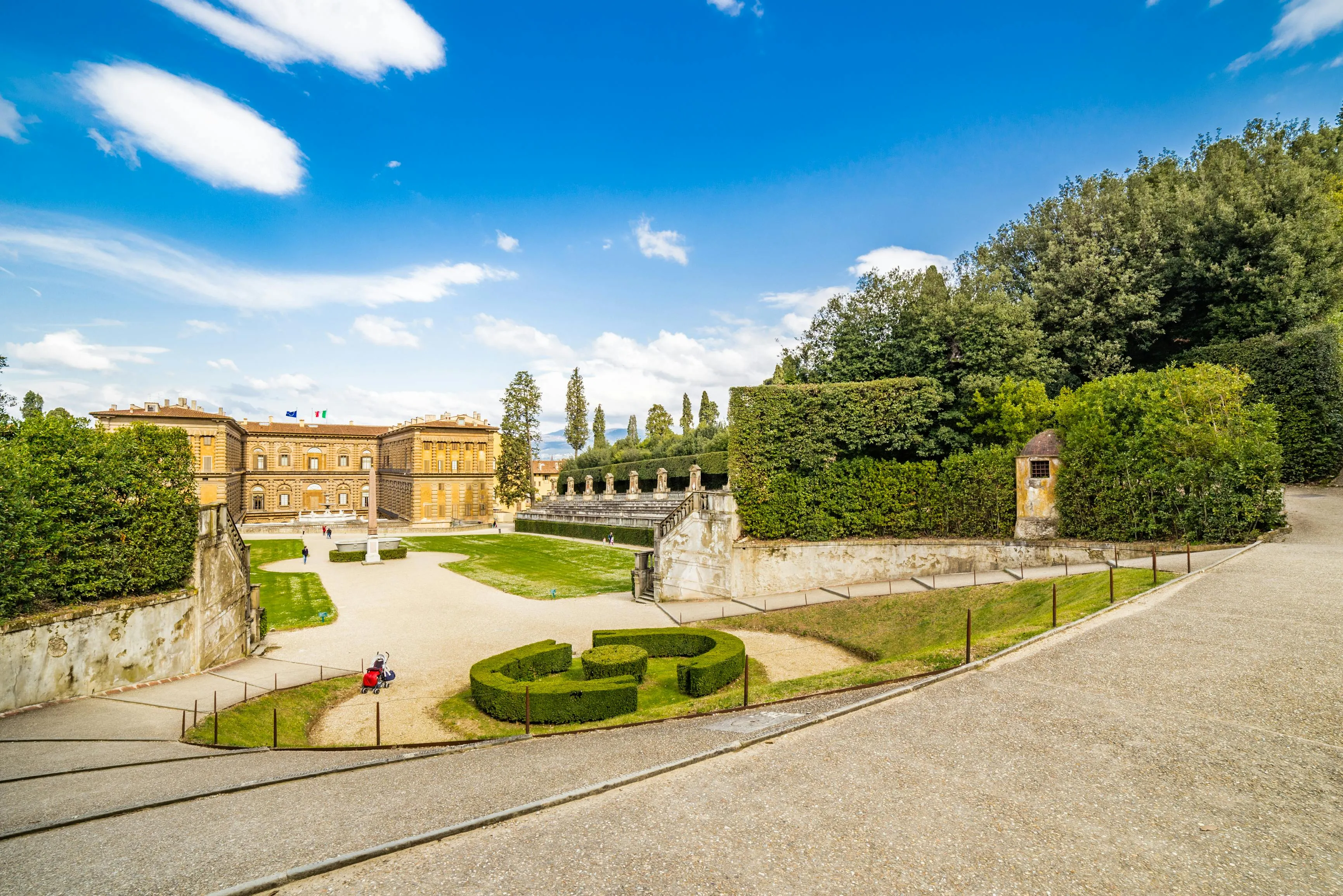
Most visitors enter from the Pitti Palace side in Oltrarno, but there are multiple access points depending on your route. The gardens are easy to reach from central Florence with a short walk, local buses, or a brief taxi ride.
By Train
From Santa Maria Novella station, you can walk to Boboli in about 25 to 30 minutes through the historic center and across the Arno, or take a local bus to the Pitti area and continue on foot for a few minutes.
By Car
Driving into central Florence is often inconvenient due to restricted traffic zones and limited parking. If you arrive by car, park in an authorized garage outside the most restricted area and reach Boboli by taxi or bus.
By Bus
Several city bus lines stop near Palazzo Pitti and Porta Romana. From either area, Boboli entrances are usually within an easy walking distance, even if you prefer a slower pace.
On Foot
If you are staying around Ponte Vecchio, Santo Spirito, or central Oltrarno, reaching Boboli on foot is simple and scenic. The walk itself is part of the experience, with artisan streets, small squares, and classic Florentine views along the way.
Why visit Boboli Gardens
A blend of art, architecture, and landscape design: monumental avenues, theatrical fountains, hidden grottoes, and broad views over Florence, all in one historic setting.
Boboli Gardens (Giardini di Boboli)
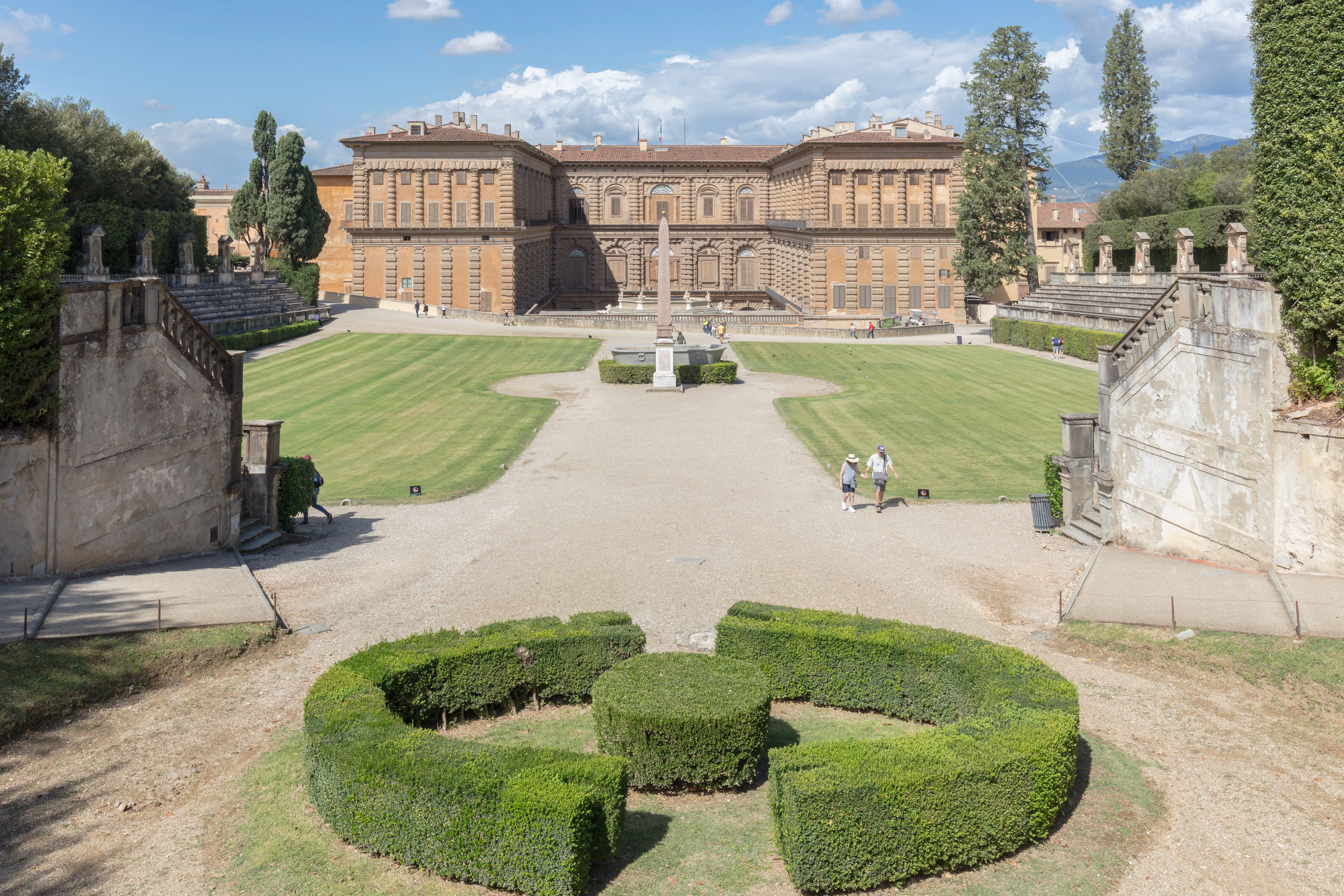
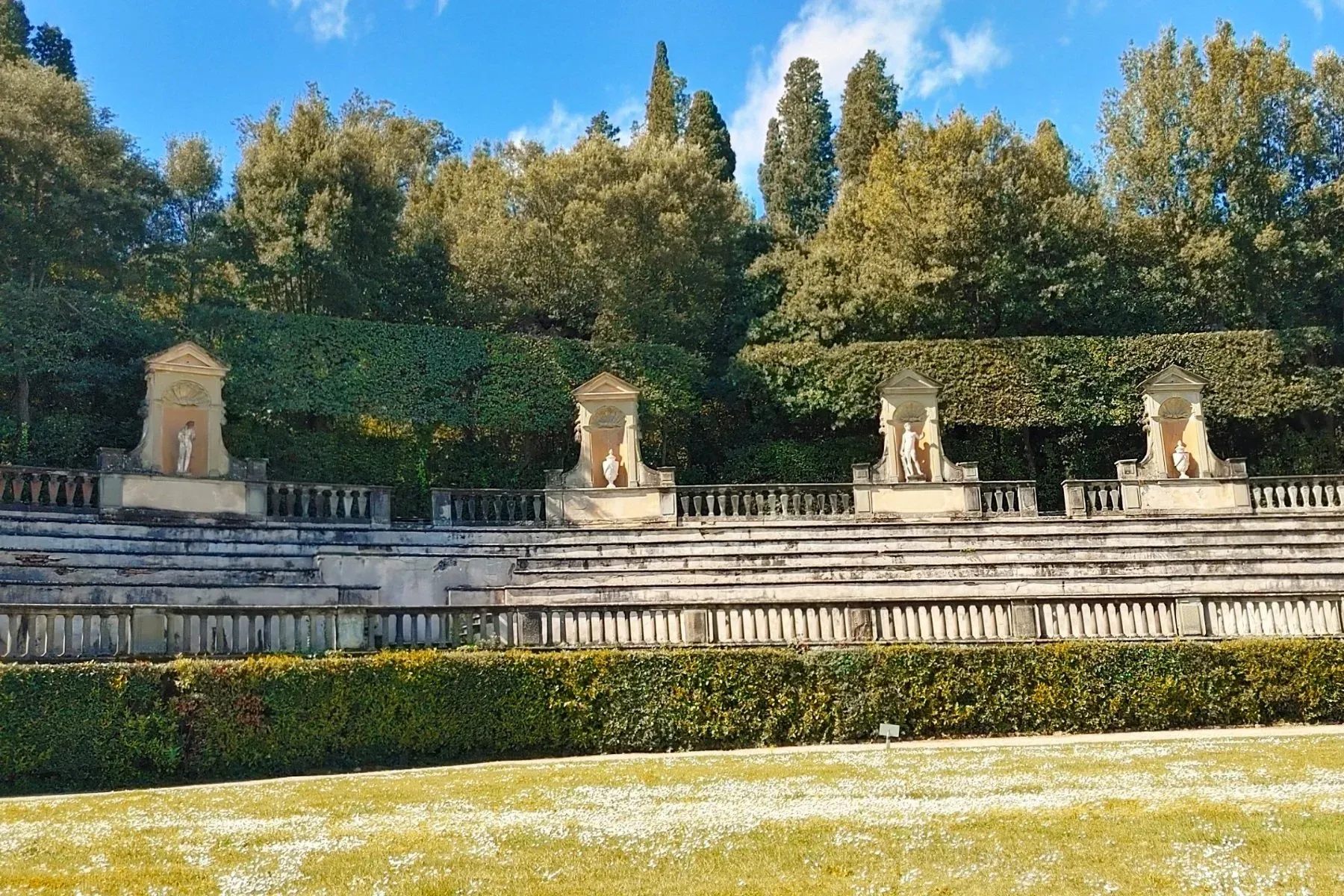
Amphitheater and Grand Axis
One of Boboli's most striking areas is the grand descending axis near the amphitheater, where geometry, perspective, and theatrical scale immediately reveal the ambitions of Medici landscape design.
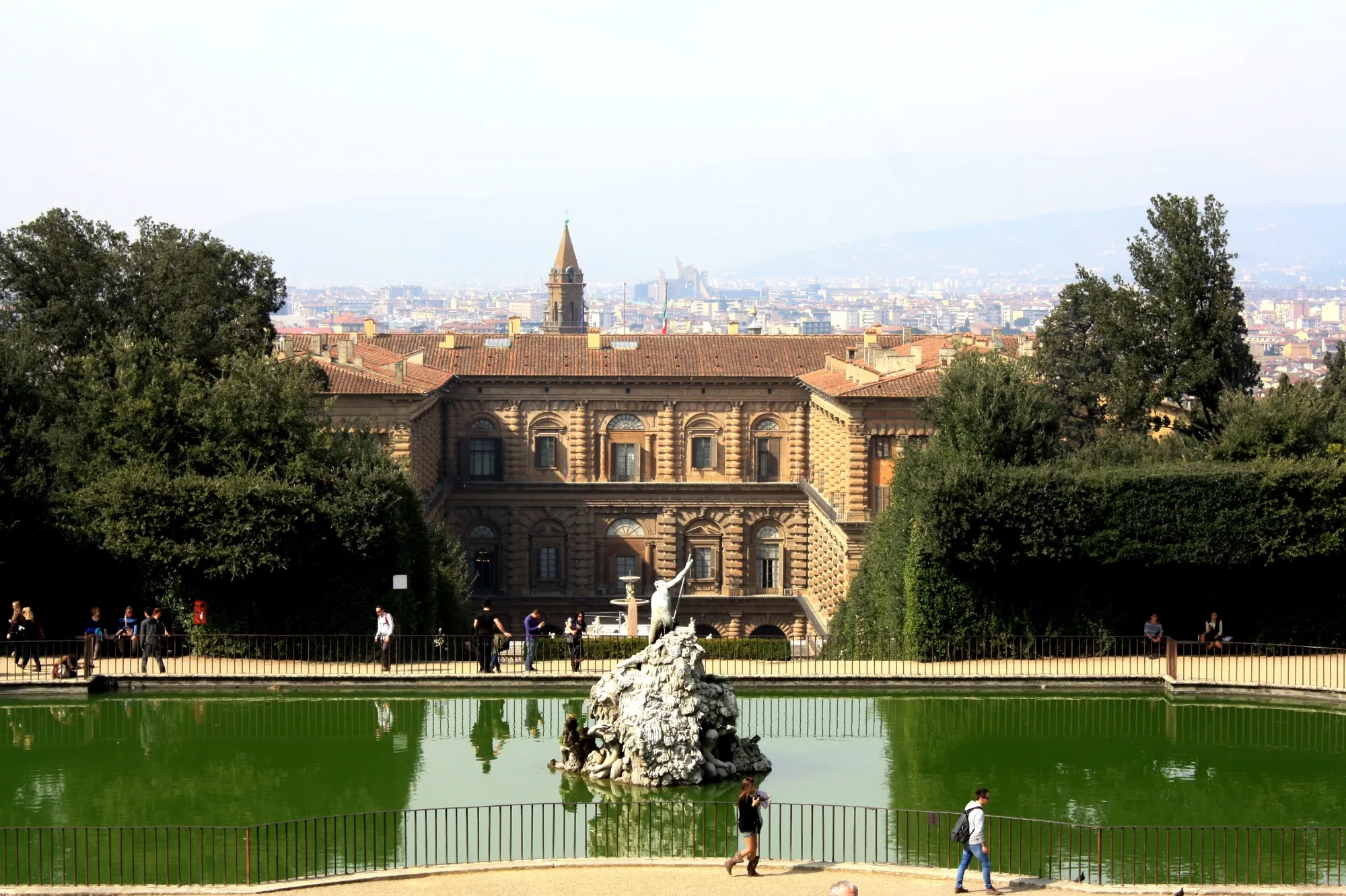
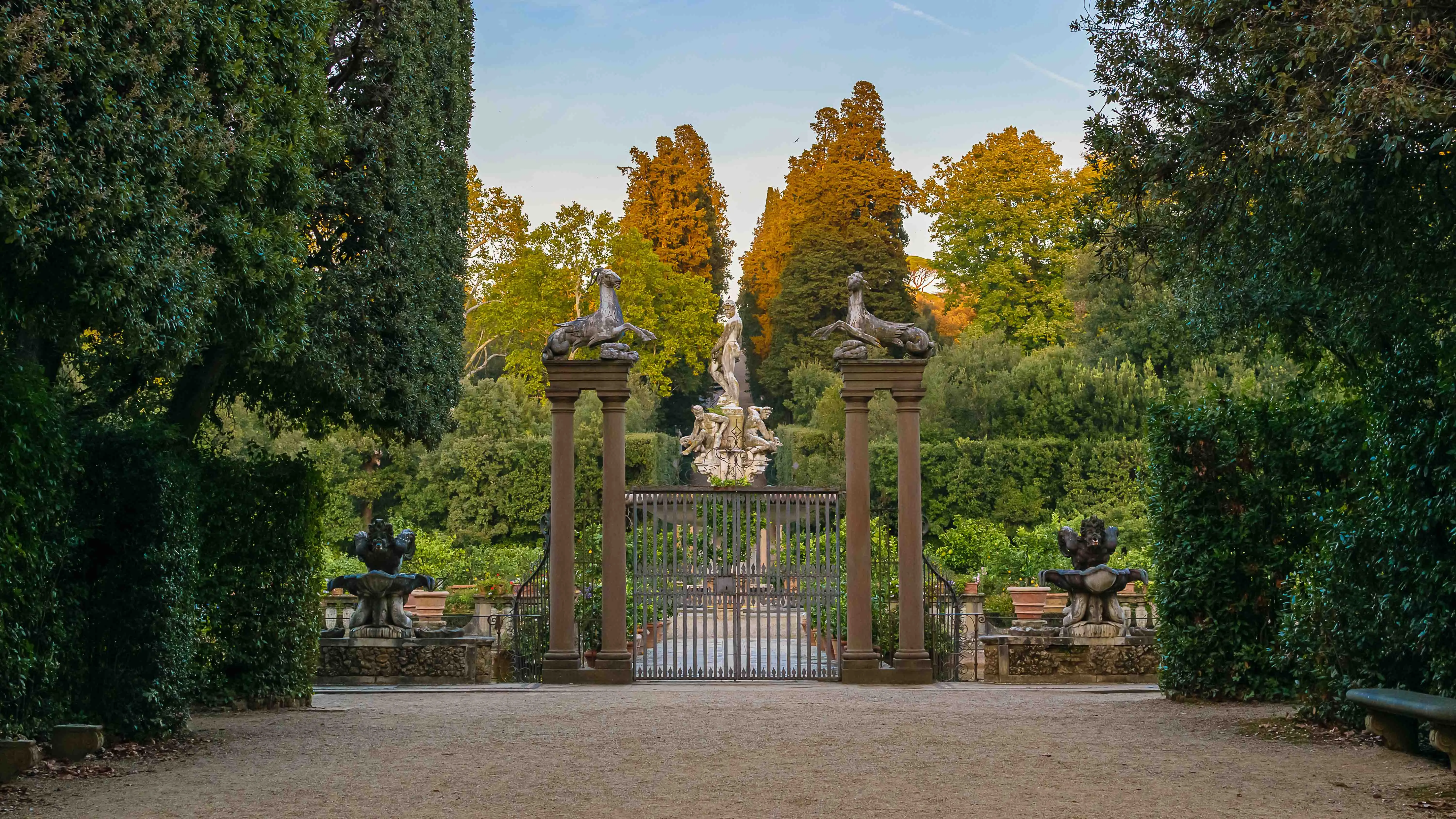
Neptune Fountain and Isolotto
The upper terrace and water basins around Neptune and the Isolotto create a dramatic sequence of views, sculptures, and reflections, inviting visitors to pause and absorb the garden's elegant rhythm.
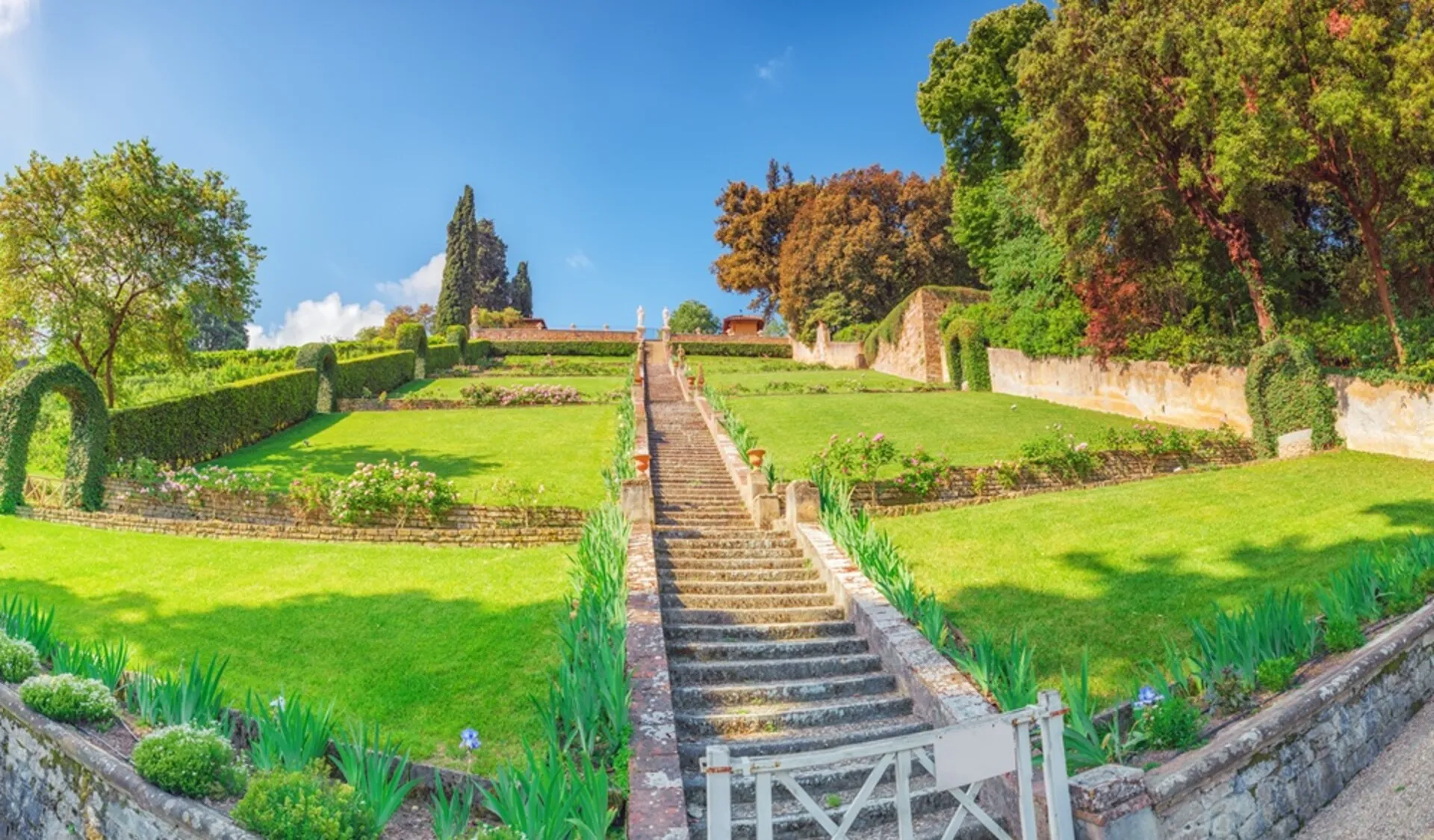
Grottos, shaded paths, and viewpoints
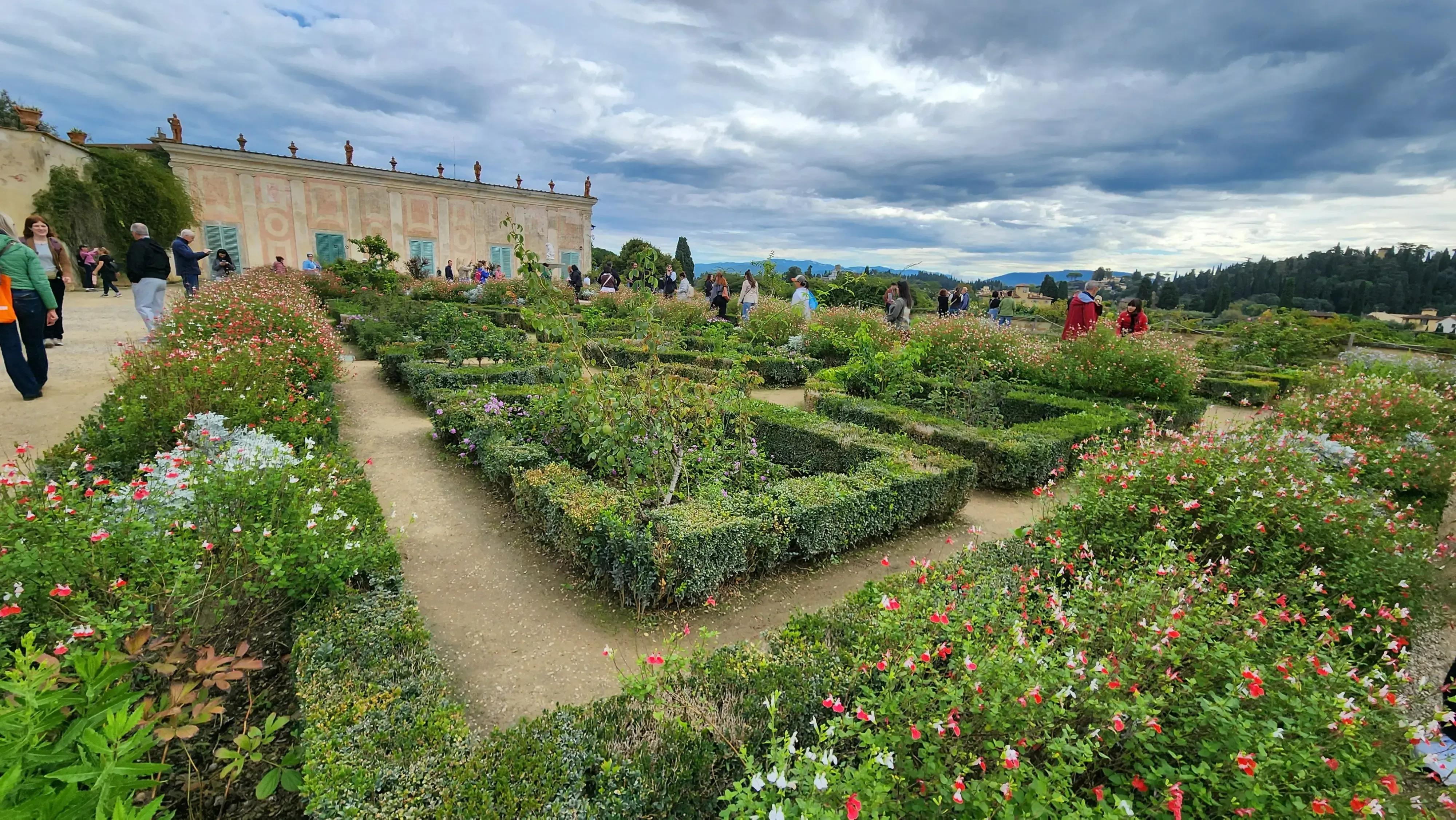
As you move away from the main avenues, Boboli reveals quieter paths, sculptural surprises, and elevated points where rooftops, church domes, and distant hills frame unforgettable Florence panoramas.
Boboli Gardens at a glance
Quick practical answers before your visit.
Book your Boboli Gardens experience
Choose a standard Boboli entry or a combined ticket with Palazzo Pitti based on how much time you want to dedicate to art and gardens.
Booking ahead helps you avoid uncertainty and organize your Florence day around the sites you care about most.