Boboli Gardens History - Medici Origins and Evolution
A clear timeline of Boboli Gardens: Medici ambition, theatrical design, dynastic symbols, and modern conservation.
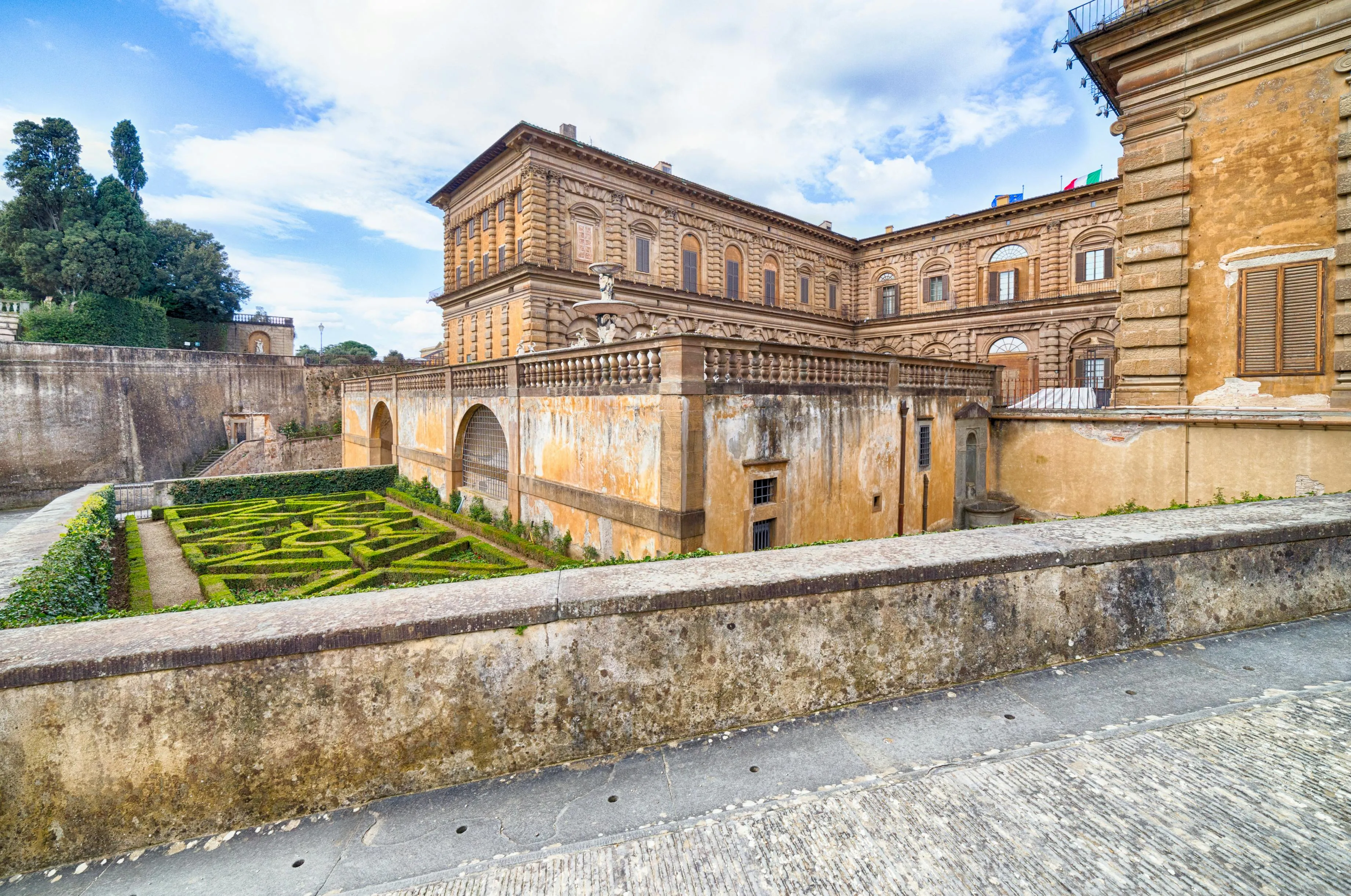
Boboli Gardens History: Medici Ambition in Landscape Form
Boboli was conceived as a visual statement of order and authority. The Medici transformed the hillside behind Palazzo Pitti into a cultural machine where art, politics, and ceremony met.
Core timeline
| Period | What changed |
|---|---|
| 16th century | Early layout, amphitheater nucleus, dynastic symbolism |
| 17th century | Expansion of axes, water features, sculptural program |
| 18th century | Lorena era refinements and broader access |
| 19th-20th century | Museum logic, restoration campaigns |
Why Boboli mattered politically
- It framed Palazzo Pitti as more than a residence.
- It staged controlled views: visitors moved through programmed perspectives.
- It broadcasted ideals of permanence through stone, geometry, and mythological figures.
In Boboli, even a path is a message: who is centered, what is revealed, and when the skyline appears.
Symbols you can still read today
- Amphitheater geometry = public ceremony.
- Long axes = control over nature and movement.
- Mythological sculpture = dynastic narrative.
- Water engineering = technical authority.
Field notes for history lovers
- Compare older stone textures near core routes versus later additions.
- Observe how statues align with clearings and turns.
- Track where views "open" suddenly: these moments were planned.
Mini glossary
axis: a dominant directional line organizing space
parterre: ornamental garden layout with geometric planting
grotto: artificial cave-like space with sculptural decoration
Research tip
Pair this walk with a short Palazzo Pitti visit to compare indoor court image-making with outdoor stagecraft.
Bottom line
Boboli is a historic text written in stone, slope, and perspective. Read it slowly and the Medici script becomes visible.
Om författaren

Florence Gardens Editorial Team
Denna guide skrevs for att hjalpa besokare uppleva Boboli Gardens med bade praktisk trygghet och historisk medvetenhet, bortom snabba sammanfattningar i sociala medier. Malet ar enkelt: att gora ditt besok smidigare, rikare och mer minnesvart.
Tags
Comments (0)
Loading comments...