How to Study Boboli Gardens - Research and Field Notes Guide
Use this structured method to study Boboli Gardens through design history, symbolism, and spatial analysis.
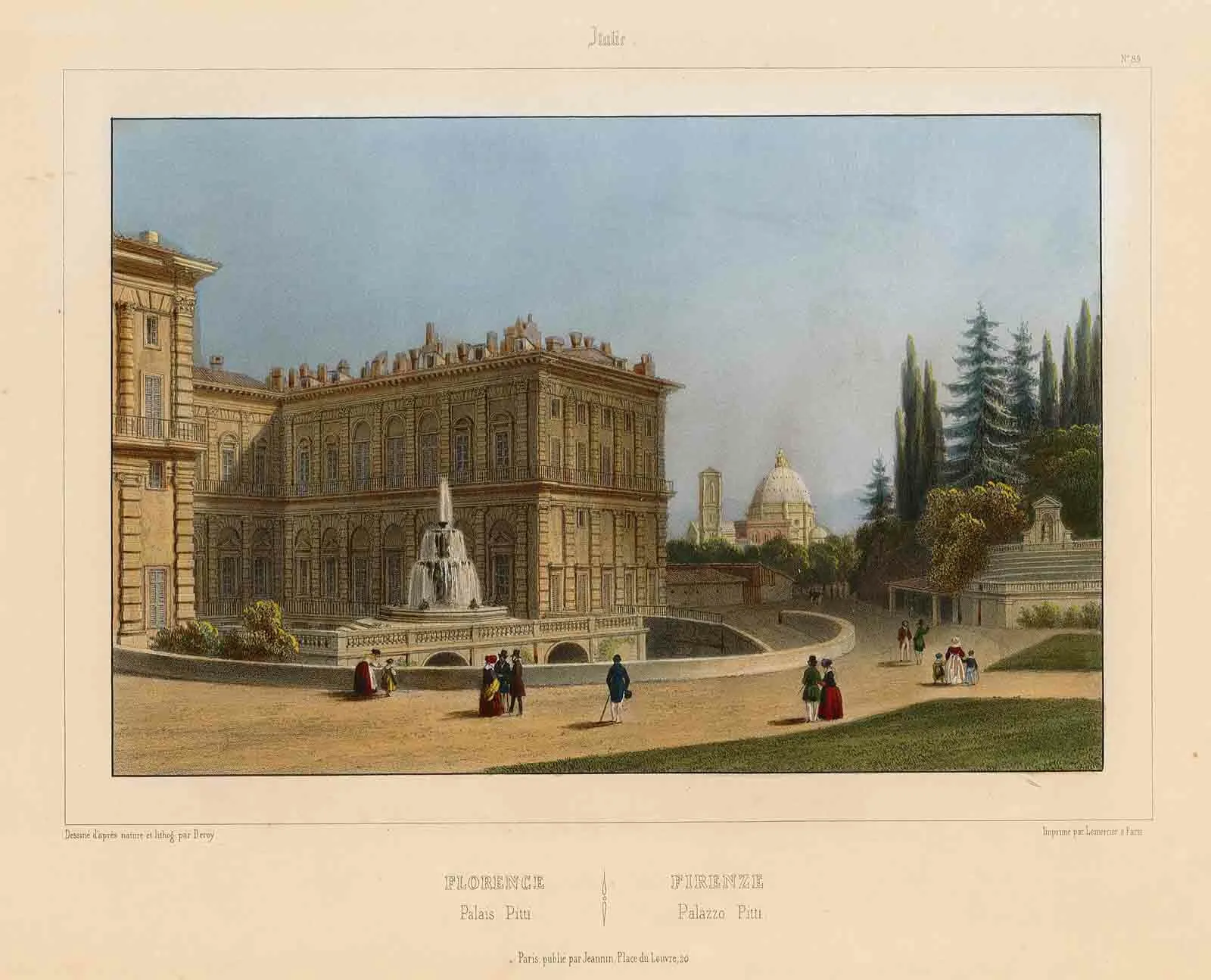
Studying Boboli with a Research Mindset
Boboli is ideal for structured field analysis because it combines landscape design, political imagery, hydraulic systems, and museum-era conservation.
Research lenses
- Spatial lens: axes, thresholds, gradients
- Iconographic lens: myth and dynastic messaging
- Material lens: stone, planting, water, weathering
- Visitor lens: circulation and behavior patterns
Suggested note template
| Stop | Observation | Interpretation | Open question |
|---|---|---|---|
| 1 | |||
| 2 | |||
| 3 |
Productive on-site routine
- Observe silently for 2 minutes.
- Write 3 factual notes.
- Write 1 interpretation.
- Mark confidence level.
Distinguish evidence from interpretation. This discipline improves both travel writing and academic work.
Research starter glossary
scenography: staged spatial storytelling
processional route: movement path designed for ceremony
symbolic axis: directional line carrying ideological meaning
Optional assignment idea
Compare one Boboli route section with another Renaissance garden case study and map shared design principles.
Bottom line
Boboli can be visited as leisure, but it also rewards rigorous study. A simple research framework turns a walk into meaningful analysis.
About the Author

Florence Gardens Editorial Team
This guide was written to help visitors experience Boboli Gardens with both practical confidence and historical awareness, beyond quick social media summaries. The aim is simple: make your visit smoother, richer, and more memorable.
Tags
Comments (0)
Loading comments...