Where dynastic ambition met landscape imagination
In Boboli, every avenue and vista was designed to communicate prestige, worldview, and the art of shaping nature.
Table of Contents
The Medici vision and the birth of Boboli
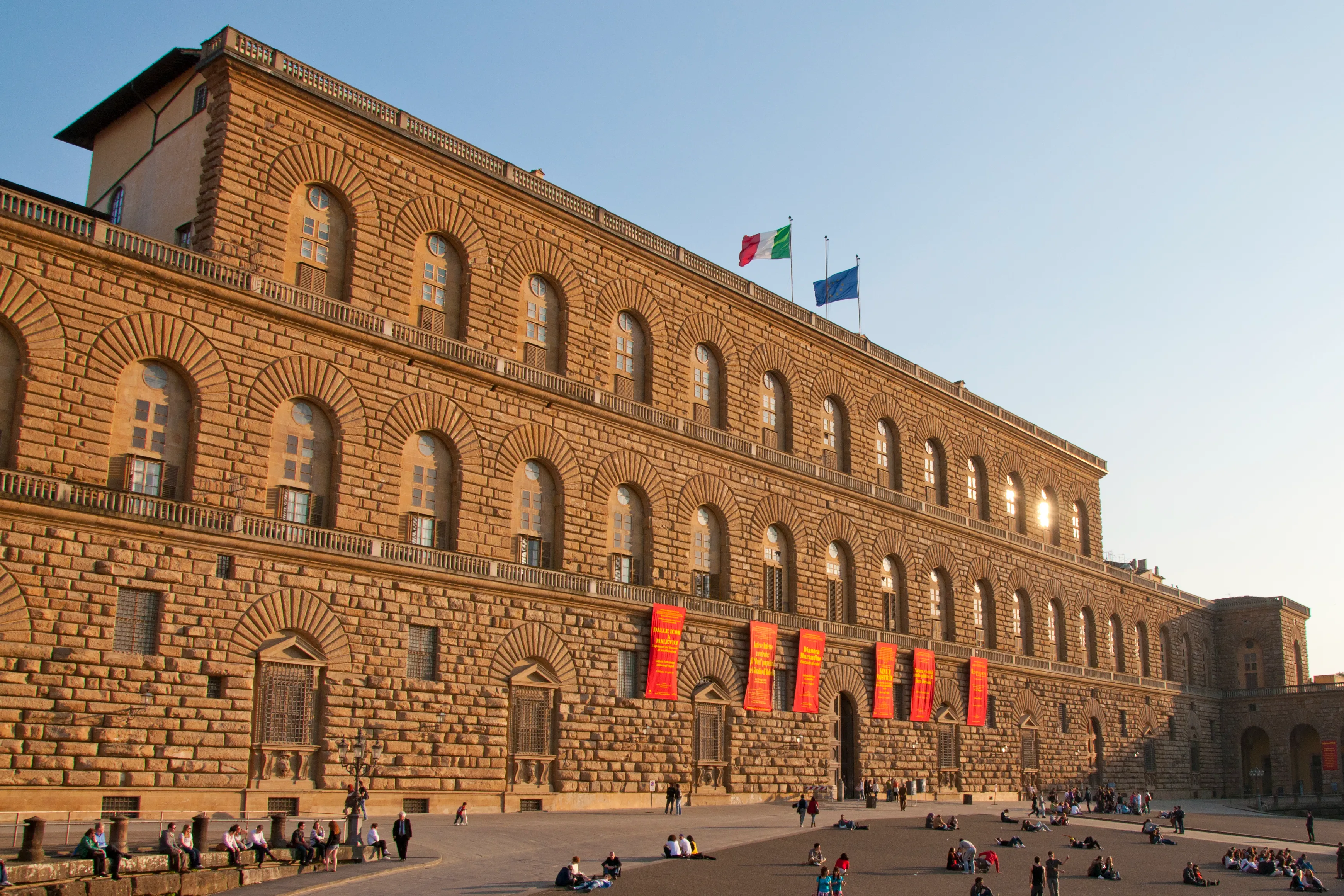
The story of Boboli begins in the sixteenth century, when the Medici court sought not only a residence but a landscape capable of speaking the language of authority. Behind what is now Palazzo Pitti, the slope of the hill became an enormous design opportunity: a place where architecture and nature could be orchestrated into a single statement. Rather than creating a simple ornamental garden, planners and artists shaped an environment of calculated perspectives, symbolic routes, and staged viewpoints that reflected how Renaissance elites understood power, order, and beauty.
As sections expanded and were refined across generations, Boboli became a laboratory for ideas that influenced court gardens well beyond Florence. The interplay between open terraces and enclosed pathways, between formal geometry and carefully curated irregularity, gave the site a living dynamism that still defines the visitor experience today. What seems effortless now was, in fact, the result of strategic design choices meant to impress ambassadors, host ceremonies, and frame the Medici dynasty as both cultivated and enduring.
From private court garden to cultural symbol
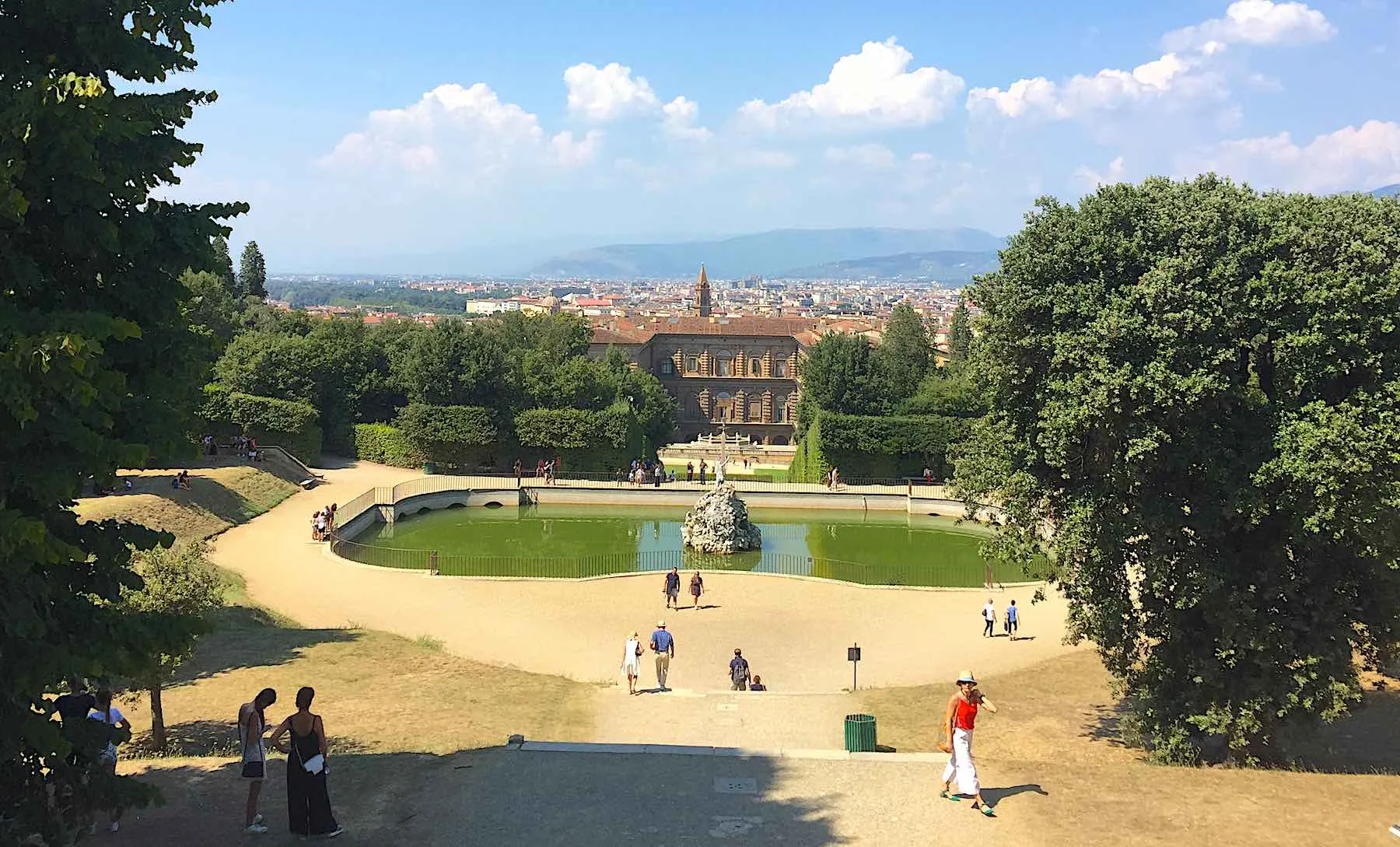
For much of its early life, Boboli was tied to court protocol and aristocratic use. Access was controlled, movement was meaningful, and routes through the space often reflected social hierarchy. The garden functioned as a stage set for political life, where processions, gatherings, and diplomatic encounters unfolded against backdrops of sculpture and architecture. Even moments of leisure were never entirely informal: the setting continuously reinforced dynastic identity.
Over time, political transitions and institutional changes transformed Boboli from an elite court environment into a shared cultural heritage site. This shift did not erase its original intent; rather, it layered new meanings onto historic forms. Today visitors can walk where nobles once negotiated status and artists once tested visual theories, experiencing the same spatial drama in a far more democratic context.
Geometry, perspective, and political language
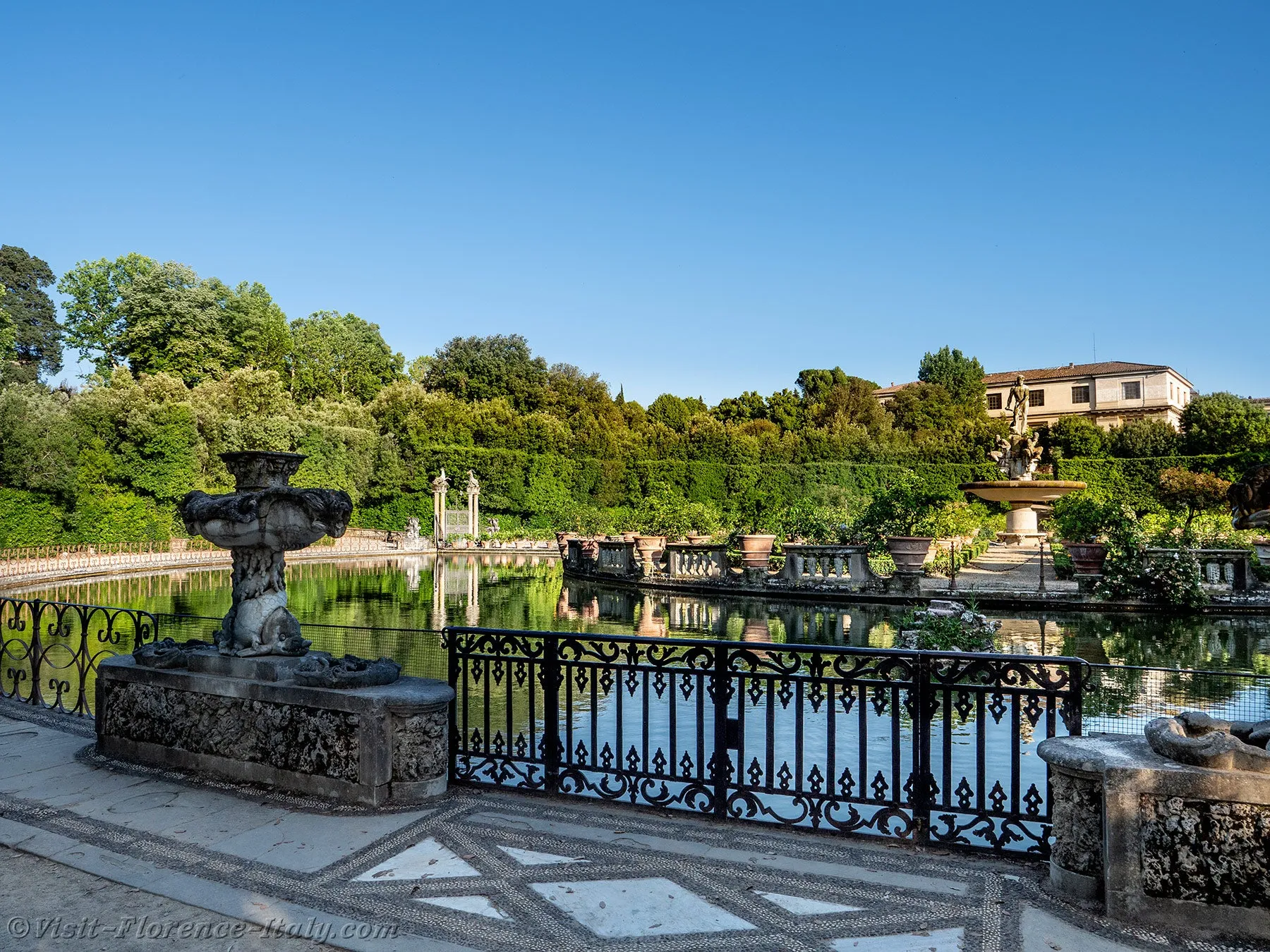
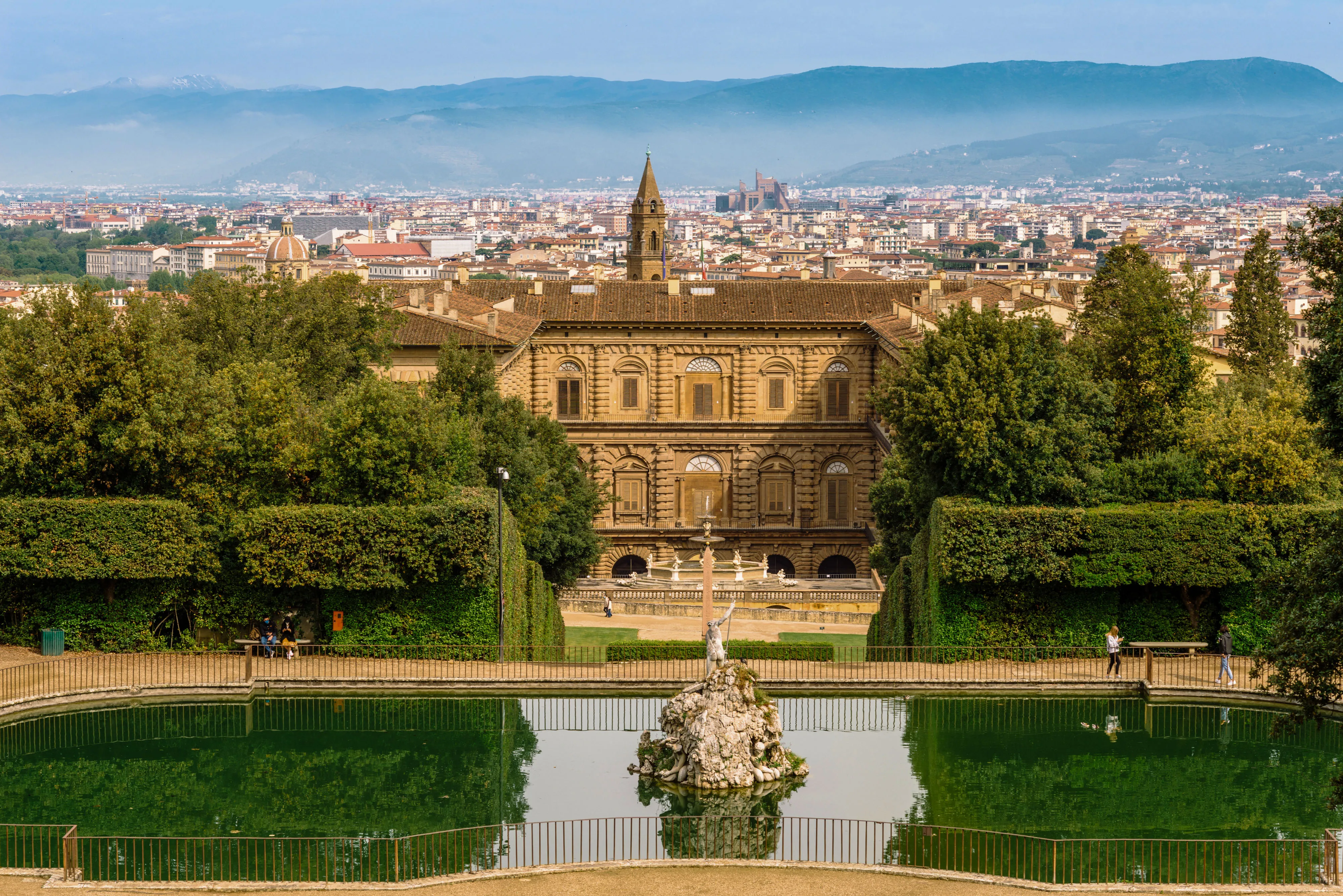
Boboli is often admired for beauty first, but its geometry is also a political text. Axes create visual control, stairways organize movement, and long perspective lines draw the eye toward selected focal points. In Renaissance and early modern courts, this kind of order was never neutral. A well-governed garden implied a well-governed state, where nature itself seemed to obey an intelligent and legitimate authority.
As you walk the principal routes, notice how open spaces alternate with moments of compression, then release into broad views again. This rhythm is part of the design intelligence of Boboli. It guides emotion as much as direction, inviting visitors to feel both wonder and orientation, surprise and coherence, while moving through layers of symbolic messaging that still remain legible centuries later.
Statues, fountains, and theatrical staging
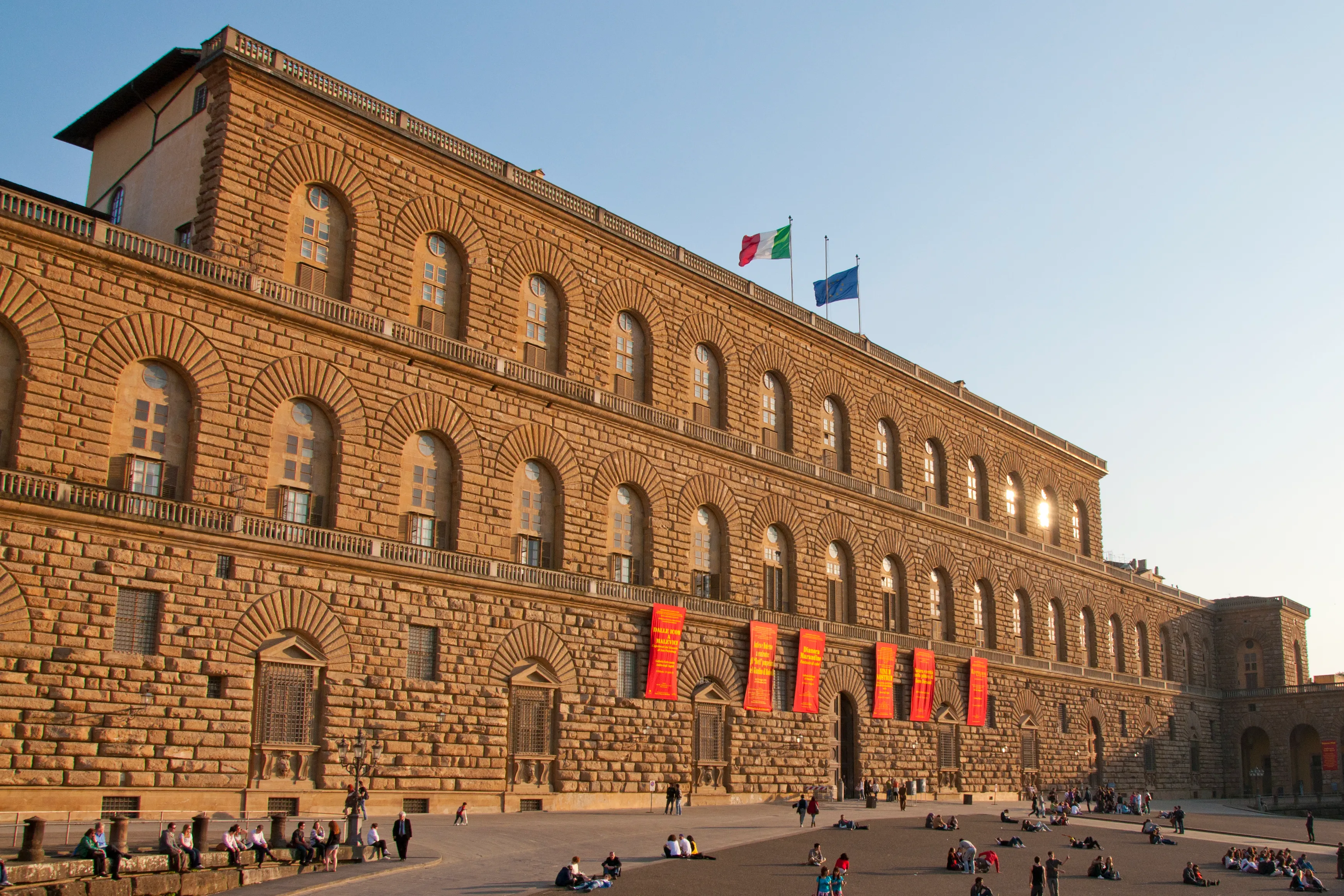
Sculpture in Boboli is not random decoration. Figures are positioned to punctuate routes, mark transitions, and animate key vistas. Mythological references, allegorical forms, and dynamic poses contribute to a narrative environment where visual art and movement are tightly linked. You do not simply pass objects; you progress through episodes.
Water features deepen this theatrical quality. Fountains function as acoustic landmarks as much as visual ones, introducing sound that shifts with distance and wind. In warm months, reflective surfaces brighten the scene, while in cooler seasons stone volumes and silhouettes become more pronounced. This ability to remain expressive across changing light and weather is one reason Boboli continues to feel alive rather than static.
The Amphitheater and grand ceremonial space
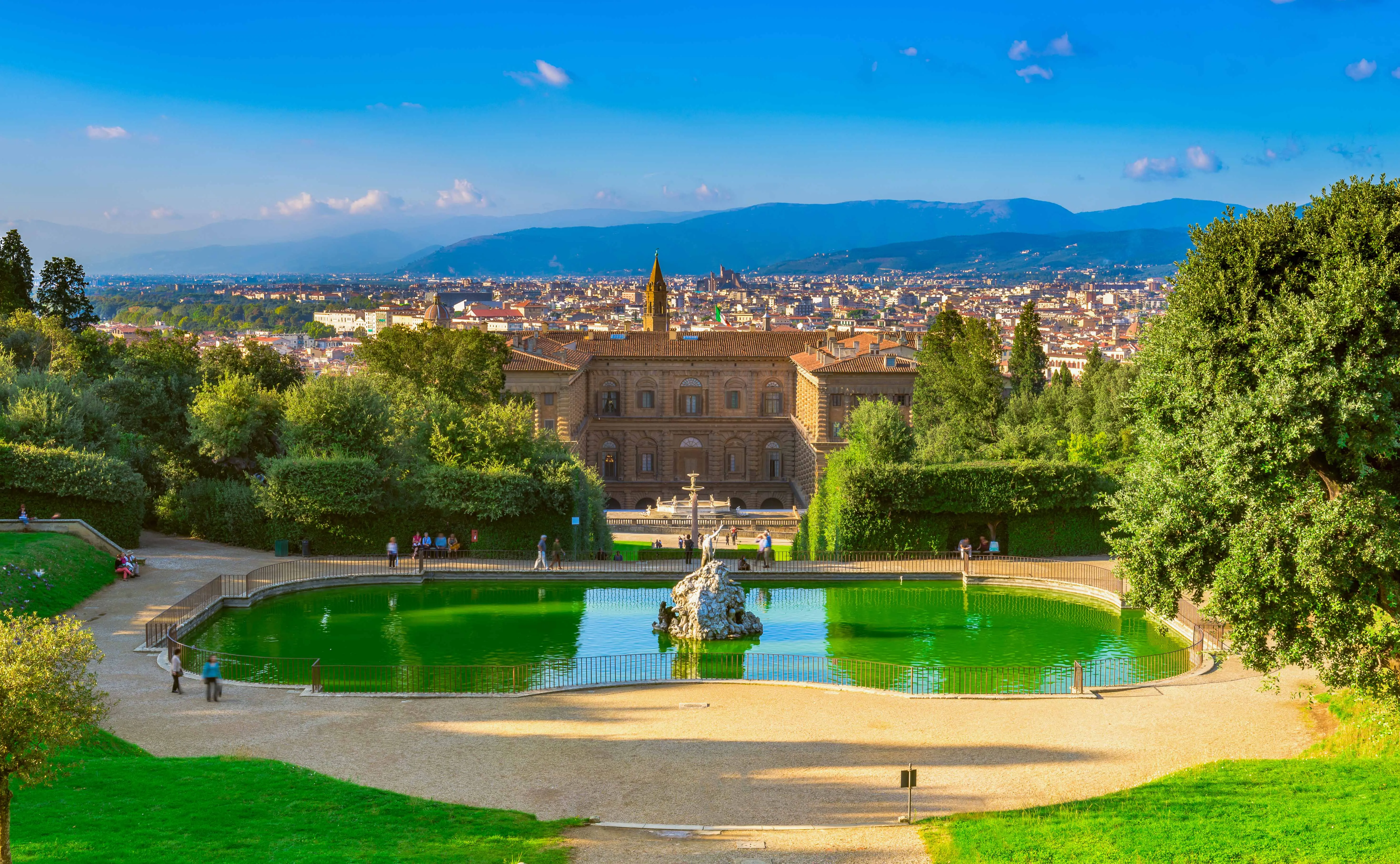
Among Boboli's most emblematic zones is the amphitheater area, where architecture and topography combine to create a powerful ceremonial setting. This section evokes the language of ancient Rome while adapting it to early modern court culture. Gatherings, spectacles, and symbolic public moments could unfold in a space designed to hold attention and project prestige.
From an experiential perspective, this is also where many visitors first grasp Boboli's scale. Looking across the structured descent, with statues and terraces guiding the eye, you sense how carefully the garden was designed to choreograph movement, hierarchy, and collective perception. It is one of those rare places where historical imagination becomes almost tangible.
Grottos, myths, and curated wonder
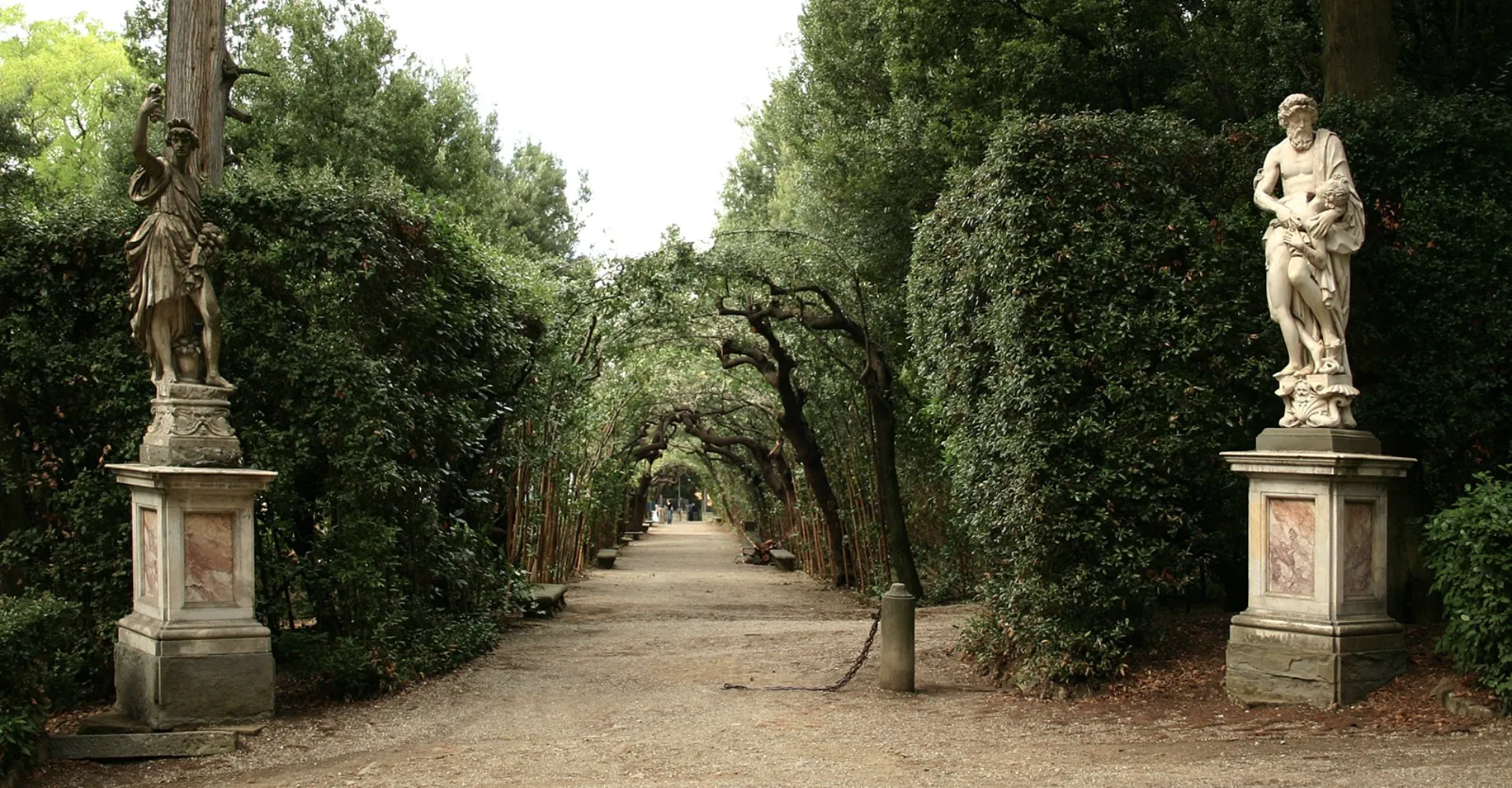
Beyond monumental axes, Boboli also cultivates wonder through enclosed and transitional spaces such as grotto-inspired areas and architecturally framed recesses. These zones invite slower observation and produce a different emotional register from the broad ceremonial terraces. Myth, artifice, and natural textures blend to create an atmosphere that feels almost narrative, as if each corner were preparing a new scene.
Renaissance and Baroque patrons valued this oscillation between order and surprise. A visitor might pass from rigorous geometry into a deliberately enigmatic environment, then emerge again into open sky and long perspective. In this alternation lies one of Boboli's enduring strengths: it never offers a single tempo, and therefore never becomes visually monotonous.
Dynastic transitions and changing tastes
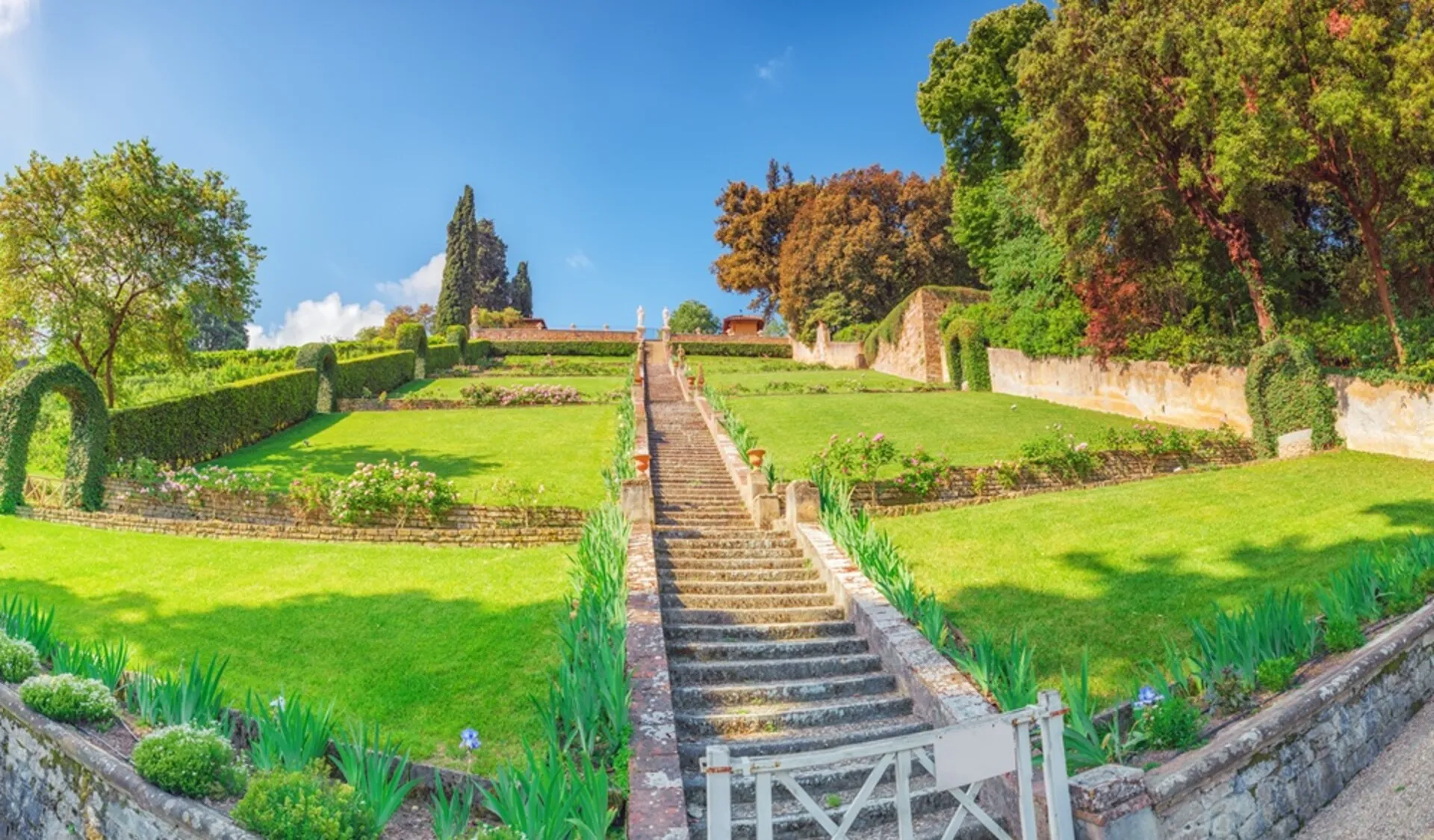
Boboli did not freeze after the Medici era. Successive ruling houses and administrative frameworks introduced modifications, reinterpretations, and maintenance strategies that reflected changing aesthetic values. Some periods emphasized restoration, others adaptation, and still others practical conservation. The result is a layered site where you can read not one style but an evolving conversation across centuries.
This historical layering is part of Boboli's charm. Instead of presenting a single moment preserved in amber, the garden records continuity and change at once. For today's visitor, that means each pathway can be approached as both a historical artifact and a living urban landscape that continues to absorb new meanings.
Walking Boboli today: scale and accessibility
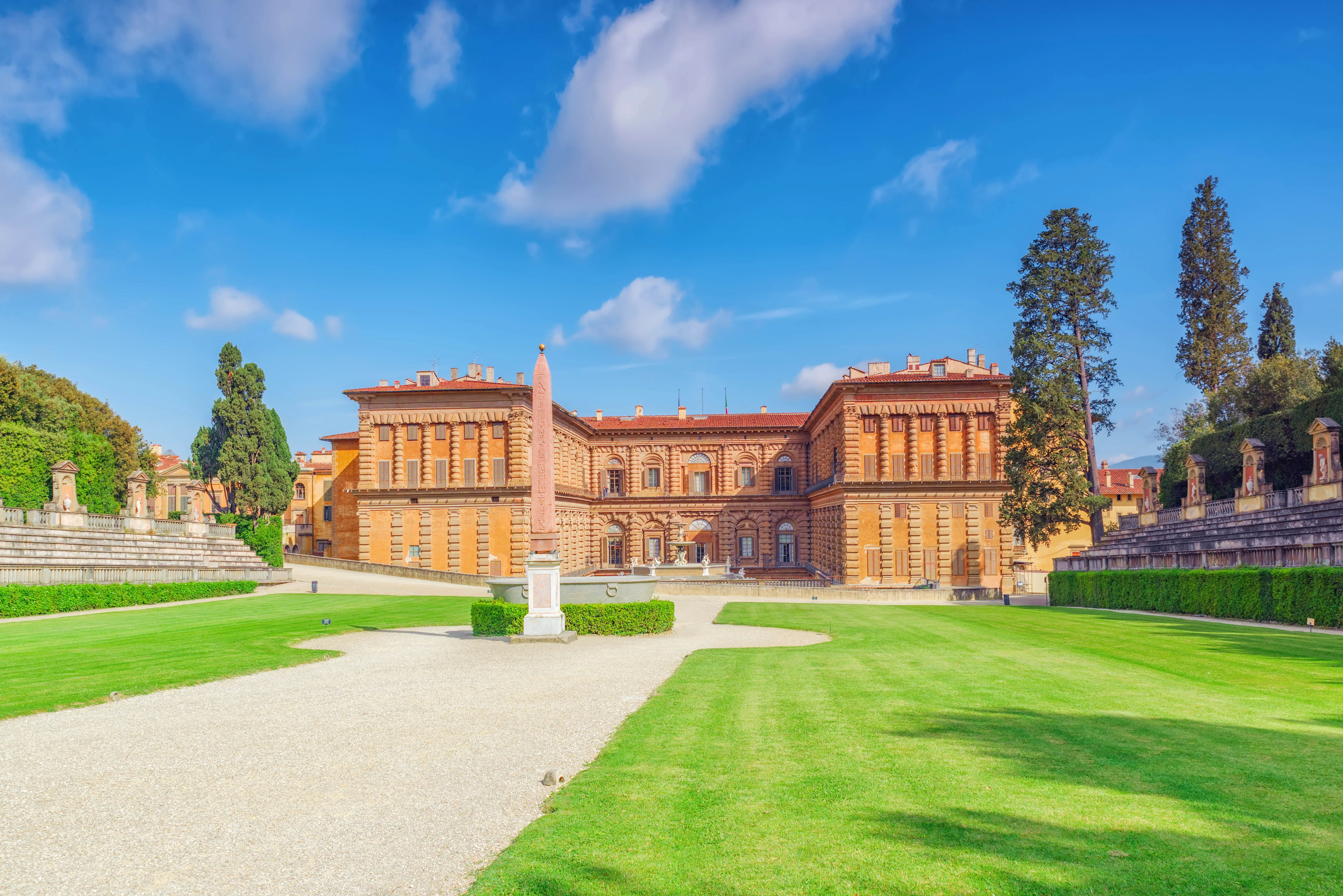
Boboli is expansive and includes climbs, descents, gravel stretches, and historic paving. That physical dimension is part of its character, but it also requires practical planning. Visitors with limited mobility should identify the most manageable sectors in advance and allocate extra time for movement between major points.
For all travelers, pacing is key. Comfortable footwear, hydration, and short breaks in shaded zones make the visit significantly more enjoyable. If you treat Boboli as a sequence of chapters rather than a checklist race, the experience becomes deeper and far less tiring.
Seasons, atmosphere, and living landscape
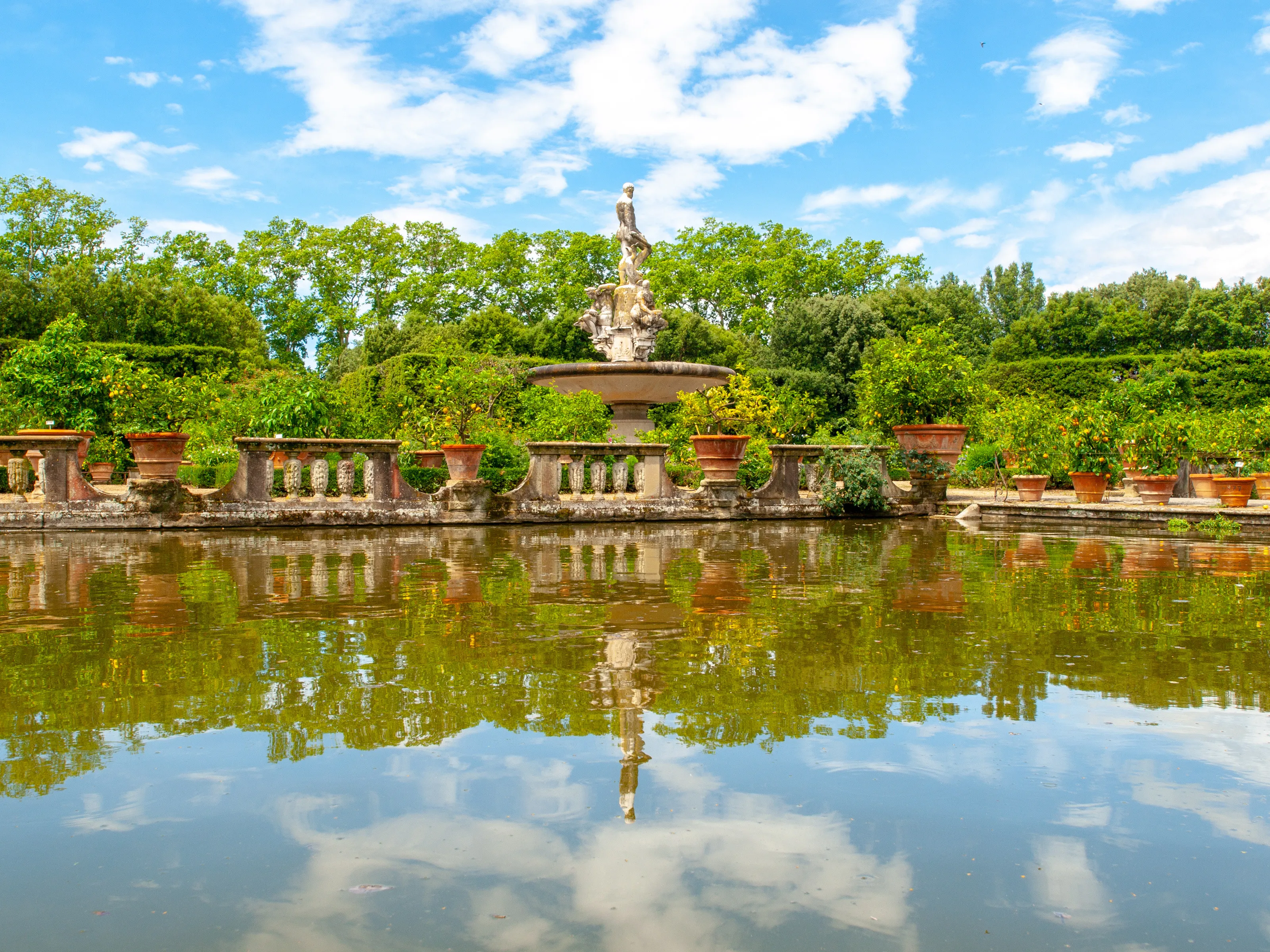
The atmosphere of Boboli changes radically with the seasons. In spring, vegetation softens the stone framework and paths feel especially vibrant. In summer, contrast intensifies between sunlit terraces and shaded groves. Autumn introduces warm tonal shifts that make sculptural silhouettes stand out, while winter reveals structural design lines with unusual clarity.
These seasonal transformations remind visitors that Boboli is not only a heritage monument but also a living landscape. Returning at a different time of year can feel like visiting a different place entirely, even along familiar routes. That capacity for renewal is one of the reasons many travelers place Boboli among Florence's most rewarding repeat visits.
Tickets, routes, and practical strategy
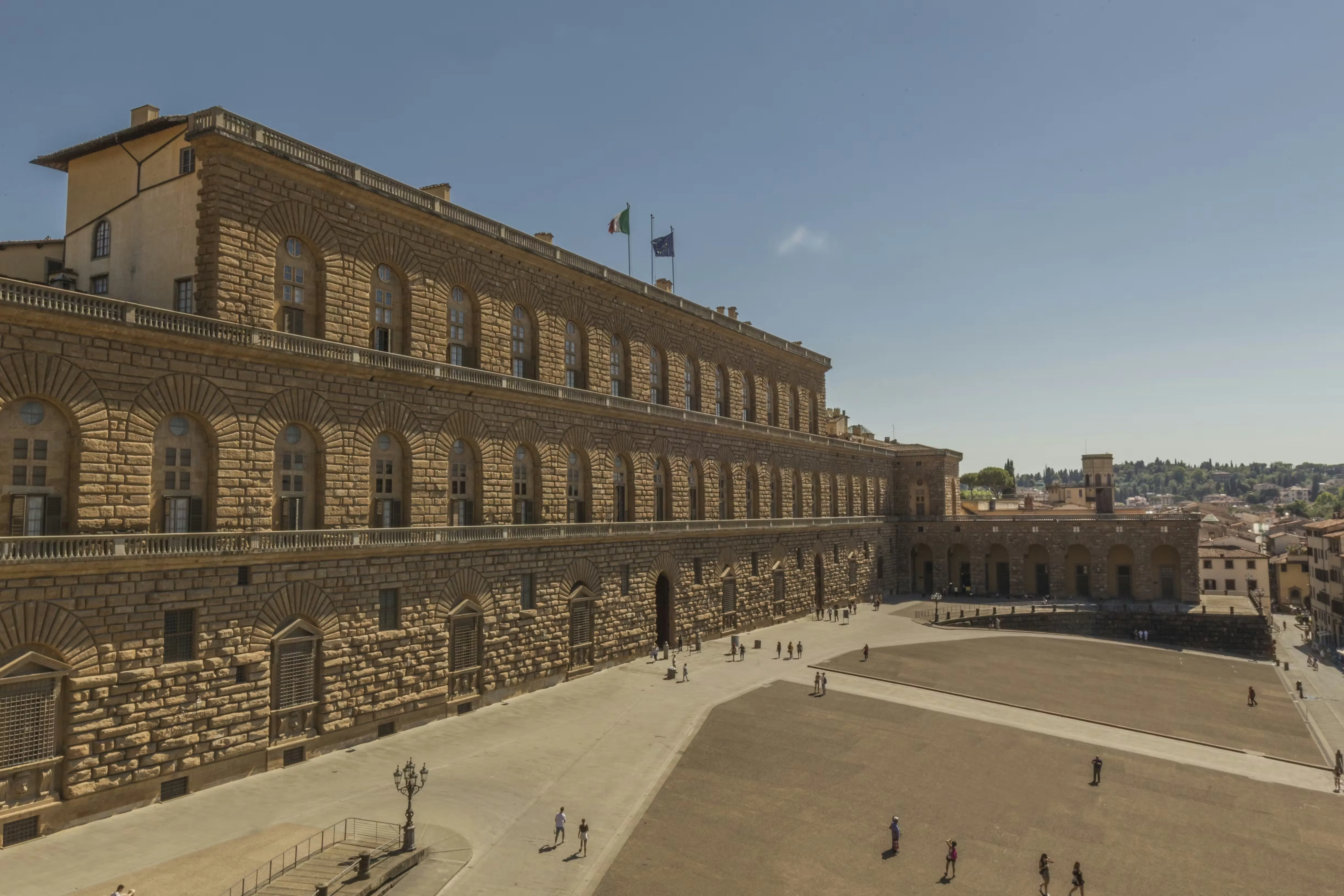
Good planning starts with one simple question: do you want only Boboli, or Boboli plus indoor museums such as Palazzo Pitti? If your Florence schedule is tight, a focused garden visit may be ideal. If you have more time, combined options can create a richer full-day route through courtly architecture, painting, decorative arts, and monumental landscape design.
Try to book a time that leaves enough daylight for unhurried walking. Boboli rewards pauses and detours, and many of its best impressions come from lingering at viewpoints rather than moving quickly between named landmarks. A thoughtful pace almost always yields a better memory than a rushed checklist.
Conservation and stewardship challenges
Maintaining a site like Boboli is a continuous and complex task. Stone, water systems, vegetation, and pathways all age differently and require specialized interventions. Weather events, visitor flow, and biological growth add further pressure, making conservation an ongoing balance between protection, usability, and historical authenticity.
Responsible tourism plays a real role in this balance. Staying on designated paths, respecting barriers, and avoiding damaging behavior may seem like small actions, but multiplied across thousands of visitors they are essential. Choosing official channels and supporting institutional stewardship helps ensure Boboli remains legible, safe, and inspiring for future generations.
Connections with Pitti and Oltrarno
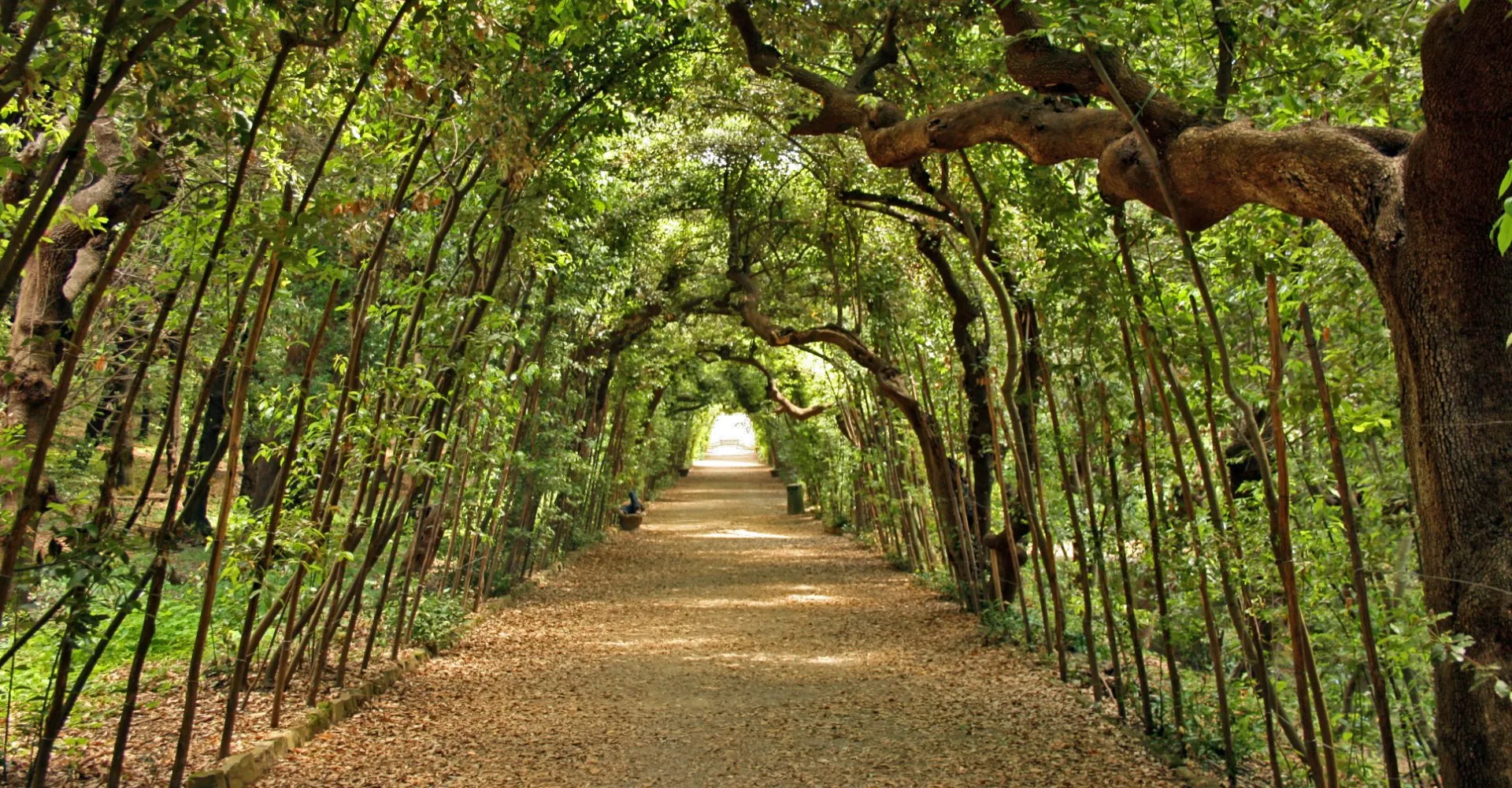
A Boboli visit integrates naturally with nearby cultural routes. Palazzo Pitti, artisan streets in Oltrarno, Santo Spirito, and panoramic uphill walks can be combined into a coherent day that alternates interiors, open space, and local neighborhood life. This flexibility is one of Boboli's practical strengths for independent travelers.
Many visitors finish their garden route with a slow walk through Oltrarno workshops and small cafes, carrying with them the visual calm of cypress lines and stone terraces. The transition from monumental court landscape to lived urban fabric is deeply Florentine and often becomes a highlight in itself.
Why Boboli remains unforgettable
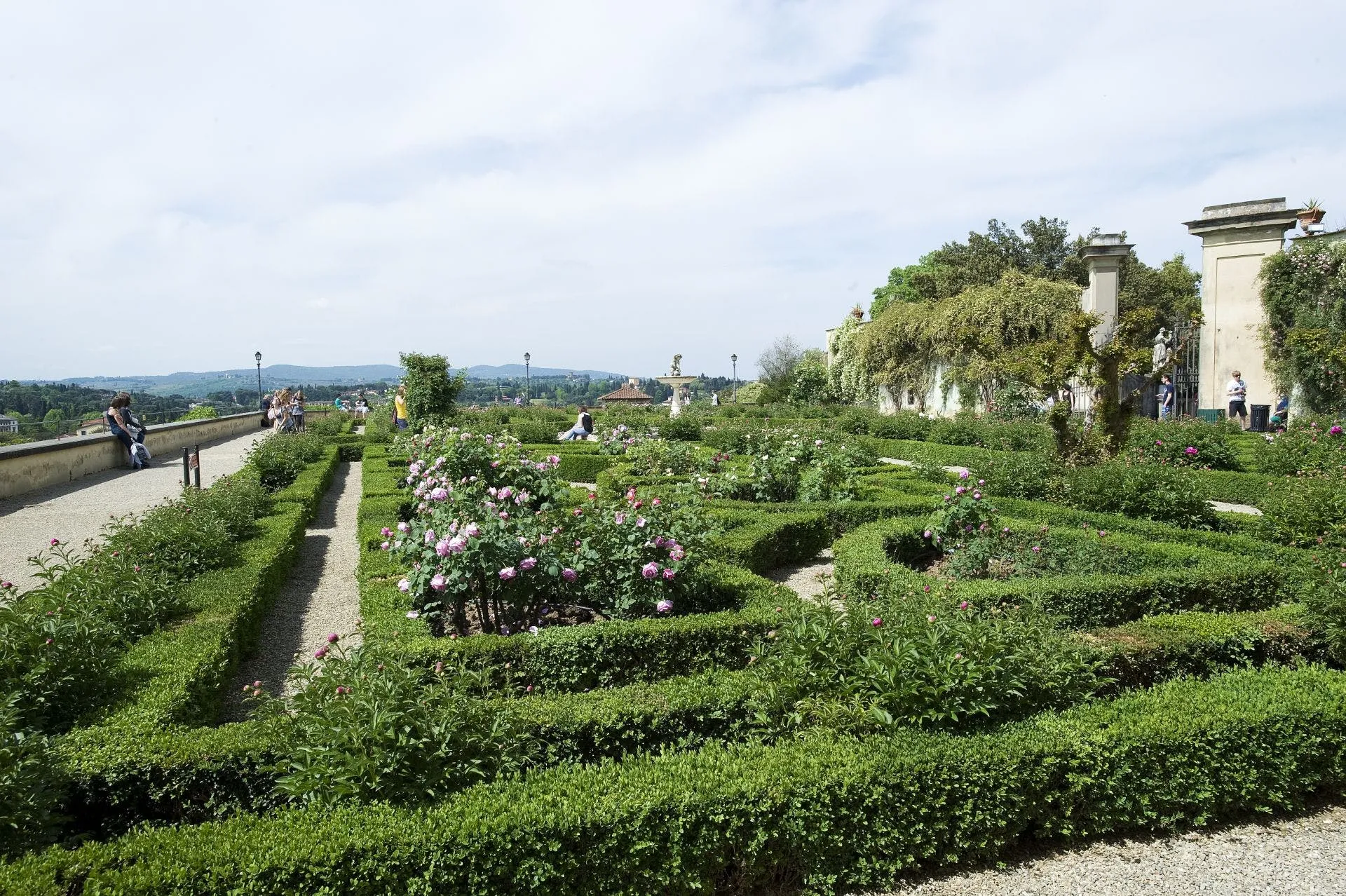
Boboli remains unforgettable because it offers more than scenic beauty. It allows visitors to feel how art, politics, ritual, and landscape once formed a single cultural language. Even without technical knowledge, you sense intention everywhere: in alignments, elevations, transitions, and strategic viewpoints that continuously shape perception.
By the end of your walk, Florence may feel larger and more layered than before. You have not only visited a garden; you have moved through a historical instrument built to guide bodies, eyes, and emotions. That combination of intellectual depth and sensory pleasure is rare, and it is exactly why Giardini di Boboli continues to resonate long after the visit ends.
Table of Contents
The Medici vision and the birth of Boboli
The story of Boboli begins in the sixteenth century, when the Medici court sought not only a residence but a landscape capable of speaking the language of authority. Behind what is now Palazzo Pitti, the slope of the hill became an enormous design opportunity: a place where architecture and nature could be orchestrated into a single statement. Rather than creating a simple ornamental garden, planners and artists shaped an environment of calculated perspectives, symbolic routes, and staged viewpoints that reflected how Renaissance elites understood power, order, and beauty.
As sections expanded and were refined across generations, Boboli became a laboratory for ideas that influenced court gardens well beyond Florence. The interplay between open terraces and enclosed pathways, between formal geometry and carefully curated irregularity, gave the site a living dynamism that still defines the visitor experience today. What seems effortless now was, in fact, the result of strategic design choices meant to impress ambassadors, host ceremonies, and frame the Medici dynasty as both cultivated and enduring.
From private court garden to cultural symbol
For much of its early life, Boboli was tied to court protocol and aristocratic use. Access was controlled, movement was meaningful, and routes through the space often reflected social hierarchy. The garden functioned as a stage set for political life, where processions, gatherings, and diplomatic encounters unfolded against backdrops of sculpture and architecture. Even moments of leisure were never entirely informal: the setting continuously reinforced dynastic identity.
Over time, political transitions and institutional changes transformed Boboli from an elite court environment into a shared cultural heritage site. This shift did not erase its original intent; rather, it layered new meanings onto historic forms. Today visitors can walk where nobles once negotiated status and artists once tested visual theories, experiencing the same spatial drama in a far more democratic context.
Geometry, perspective, and political language
Boboli is often admired for beauty first, but its geometry is also a political text. Axes create visual control, stairways organize movement, and long perspective lines draw the eye toward selected focal points. In Renaissance and early modern courts, this kind of order was never neutral. A well-governed garden implied a well-governed state, where nature itself seemed to obey an intelligent and legitimate authority.
As you walk the principal routes, notice how open spaces alternate with moments of compression, then release into broad views again. This rhythm is part of the design intelligence of Boboli. It guides emotion as much as direction, inviting visitors to feel both wonder and orientation, surprise and coherence, while moving through layers of symbolic messaging that still remain legible centuries later.
Statues, fountains, and theatrical staging
Sculpture in Boboli is not random decoration. Figures are positioned to punctuate routes, mark transitions, and animate key vistas. Mythological references, allegorical forms, and dynamic poses contribute to a narrative environment where visual art and movement are tightly linked. You do not simply pass objects; you progress through episodes.
Water features deepen this theatrical quality. Fountains function as acoustic landmarks as much as visual ones, introducing sound that shifts with distance and wind. In warm months, reflective surfaces brighten the scene, while in cooler seasons stone volumes and silhouettes become more pronounced. This ability to remain expressive across changing light and weather is one reason Boboli continues to feel alive rather than static.
The Amphitheater and grand ceremonial space
Among Boboli's most emblematic zones is the amphitheater area, where architecture and topography combine to create a powerful ceremonial setting. This section evokes the language of ancient Rome while adapting it to early modern court culture. Gatherings, spectacles, and symbolic public moments could unfold in a space designed to hold attention and project prestige.
From an experiential perspective, this is also where many visitors first grasp Boboli's scale. Looking across the structured descent, with statues and terraces guiding the eye, you sense how carefully the garden was designed to choreograph movement, hierarchy, and collective perception. It is one of those rare places where historical imagination becomes almost tangible.
Grottos, myths, and curated wonder
Beyond monumental axes, Boboli also cultivates wonder through enclosed and transitional spaces such as grotto-inspired areas and architecturally framed recesses. These zones invite slower observation and produce a different emotional register from the broad ceremonial terraces. Myth, artifice, and natural textures blend to create an atmosphere that feels almost narrative, as if each corner were preparing a new scene.
Renaissance and Baroque patrons valued this oscillation between order and surprise. A visitor might pass from rigorous geometry into a deliberately enigmatic environment, then emerge again into open sky and long perspective. In this alternation lies one of Boboli's enduring strengths: it never offers a single tempo, and therefore never becomes visually monotonous.
Dynastic transitions and changing tastes
Boboli did not freeze after the Medici era. Successive ruling houses and administrative frameworks introduced modifications, reinterpretations, and maintenance strategies that reflected changing aesthetic values. Some periods emphasized restoration, others adaptation, and still others practical conservation. The result is a layered site where you can read not one style but an evolving conversation across centuries.
This historical layering is part of Boboli's charm. Instead of presenting a single moment preserved in amber, the garden records continuity and change at once. For today's visitor, that means each pathway can be approached as both a historical artifact and a living urban landscape that continues to absorb new meanings.
Walking Boboli today: scale and accessibility
Boboli is expansive and includes climbs, descents, gravel stretches, and historic paving. That physical dimension is part of its character, but it also requires practical planning. Visitors with limited mobility should identify the most manageable sectors in advance and allocate extra time for movement between major points.
For all travelers, pacing is key. Comfortable footwear, hydration, and short breaks in shaded zones make the visit significantly more enjoyable. If you treat Boboli as a sequence of chapters rather than a checklist race, the experience becomes deeper and far less tiring.
Seasons, atmosphere, and living landscape
The atmosphere of Boboli changes radically with the seasons. In spring, vegetation softens the stone framework and paths feel especially vibrant. In summer, contrast intensifies between sunlit terraces and shaded groves. Autumn introduces warm tonal shifts that make sculptural silhouettes stand out, while winter reveals structural design lines with unusual clarity.
These seasonal transformations remind visitors that Boboli is not only a heritage monument but also a living landscape. Returning at a different time of year can feel like visiting a different place entirely, even along familiar routes. That capacity for renewal is one of the reasons many travelers place Boboli among Florence's most rewarding repeat visits.
Tickets, routes, and practical strategy
Good planning starts with one simple question: do you want only Boboli, or Boboli plus indoor museums such as Palazzo Pitti? If your Florence schedule is tight, a focused garden visit may be ideal. If you have more time, combined options can create a richer full-day route through courtly architecture, painting, decorative arts, and monumental landscape design.
Try to book a time that leaves enough daylight for unhurried walking. Boboli rewards pauses and detours, and many of its best impressions come from lingering at viewpoints rather than moving quickly between named landmarks. A thoughtful pace almost always yields a better memory than a rushed checklist.
Conservation and stewardship challenges
Maintaining a site like Boboli is a continuous and complex task. Stone, water systems, vegetation, and pathways all age differently and require specialized interventions. Weather events, visitor flow, and biological growth add further pressure, making conservation an ongoing balance between protection, usability, and historical authenticity.
Responsible tourism plays a real role in this balance. Staying on designated paths, respecting barriers, and avoiding damaging behavior may seem like small actions, but multiplied across thousands of visitors they are essential. Choosing official channels and supporting institutional stewardship helps ensure Boboli remains legible, safe, and inspiring for future generations.
Connections with Pitti and Oltrarno
A Boboli visit integrates naturally with nearby cultural routes. Palazzo Pitti, artisan streets in Oltrarno, Santo Spirito, and panoramic uphill walks can be combined into a coherent day that alternates interiors, open space, and local neighborhood life. This flexibility is one of Boboli's practical strengths for independent travelers.
Many visitors finish their garden route with a slow walk through Oltrarno workshops and small cafes, carrying with them the visual calm of cypress lines and stone terraces. The transition from monumental court landscape to lived urban fabric is deeply Florentine and often becomes a highlight in itself.
Why Boboli remains unforgettable
Boboli remains unforgettable because it offers more than scenic beauty. It allows visitors to feel how art, politics, ritual, and landscape once formed a single cultural language. Even without technical knowledge, you sense intention everywhere: in alignments, elevations, transitions, and strategic viewpoints that continuously shape perception.
By the end of your walk, Florence may feel larger and more layered than before. You have not only visited a garden; you have moved through a historical instrument built to guide bodies, eyes, and emotions. That combination of intellectual depth and sensory pleasure is rare, and it is exactly why Giardini di Boboli continues to resonate long after the visit ends.